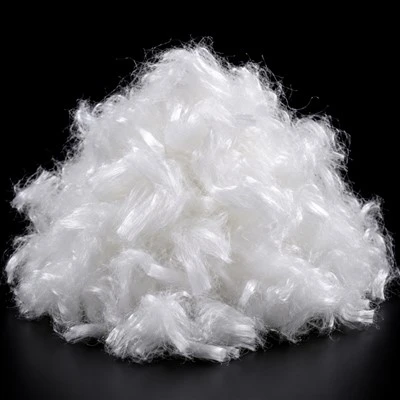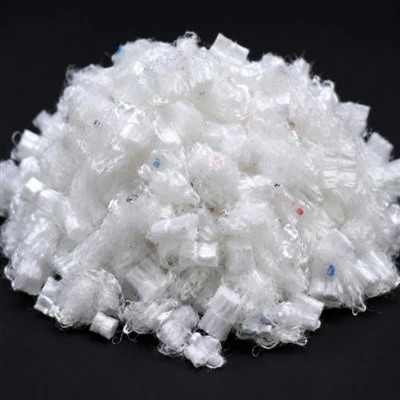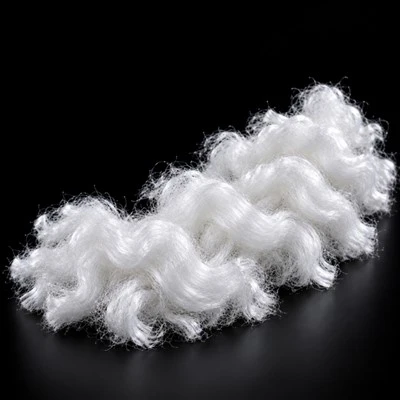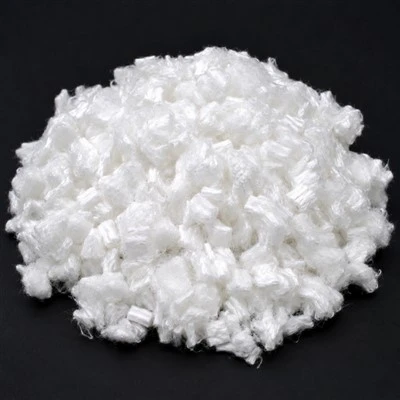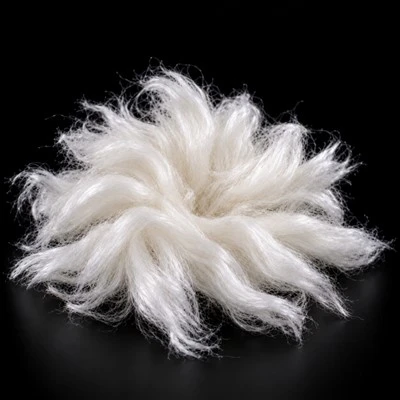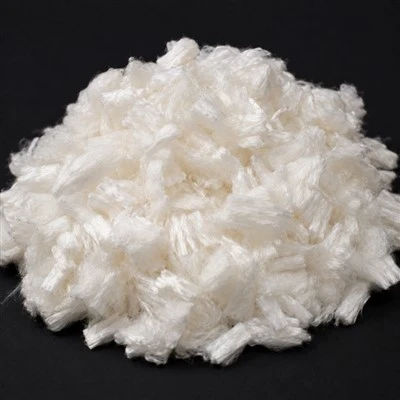
Polyester filament is a continuous filament exceeding one kilometer in length made from polyester fiber. The filament is wound into a bundle, and the raw materials are purified terephthalic acid (PTA) or dimethyl terephthalate (DMT) and ethylene glycol (MEG), which are esterified and polycondensed to produce polyethylene terephthalate (PET), which is then spun into yarn. It is available in nascent filament, drawn filament, and textured filament, and features high strength, heat resistance (-70℃~170℃), and good elasticity, but its low water absorption leads to poor dyeability. This material is widely used in civilian textiles, tire cord, and industrial products, and is often blended with cotton and wool for clothing fabrics, providing shape retention and wrinkle-free properties.
The rapid expansion cycle of domestic polyester filament production capacity ended in 2024. The industry concentration is high, with the top six (CR6) reaching 73.5%. The industry has promoted recycling through technological innovation, building a complete industrial chain system from waste textiles and plastics recycling to the manufacture of recycled polyester filament.