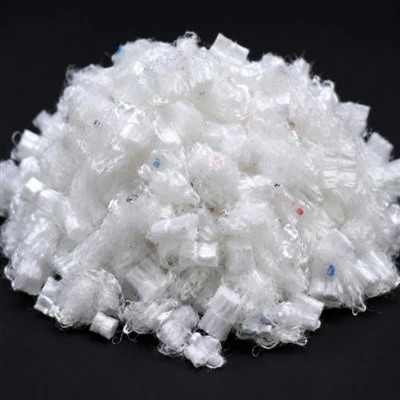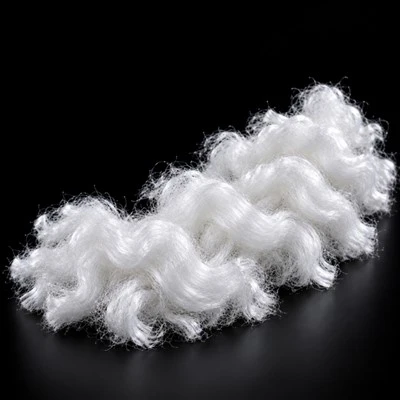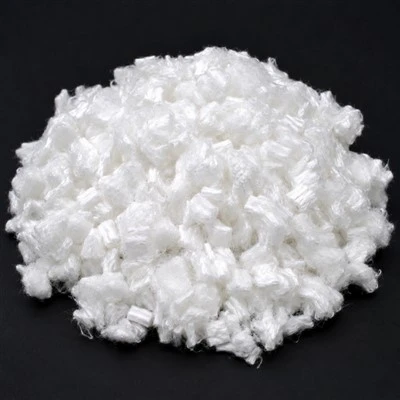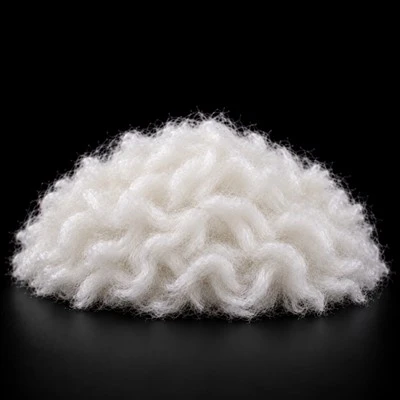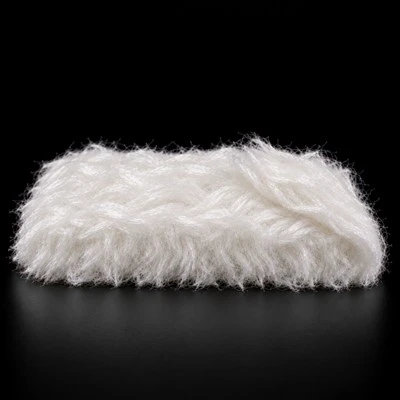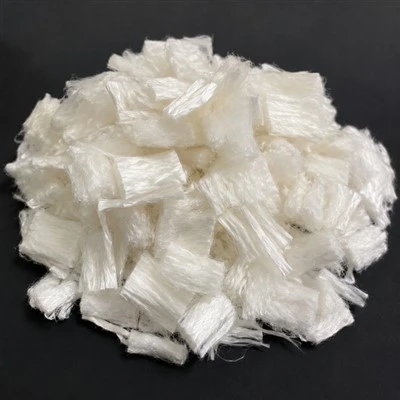
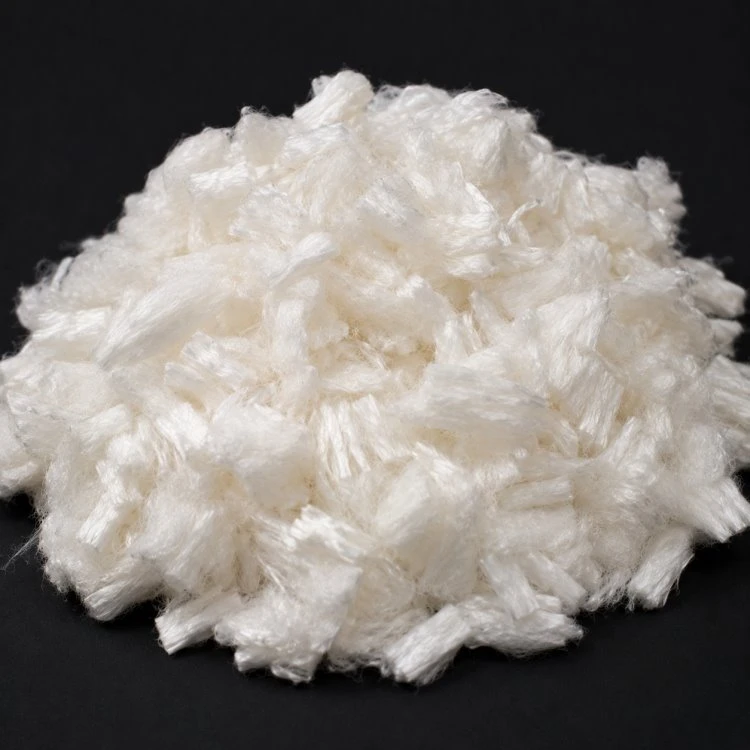
Suzhou Gongsheng Import & Export Co., Ltd. is one of the most reliable manufacturers and suppliers of bamboo staple fiber in China, featured by quality products and low price. If you're going to wholesale advanced bamboo staple fiber made in China, welcome to get pricelist and free sample from our factory. We also accept customized orders.
Opening
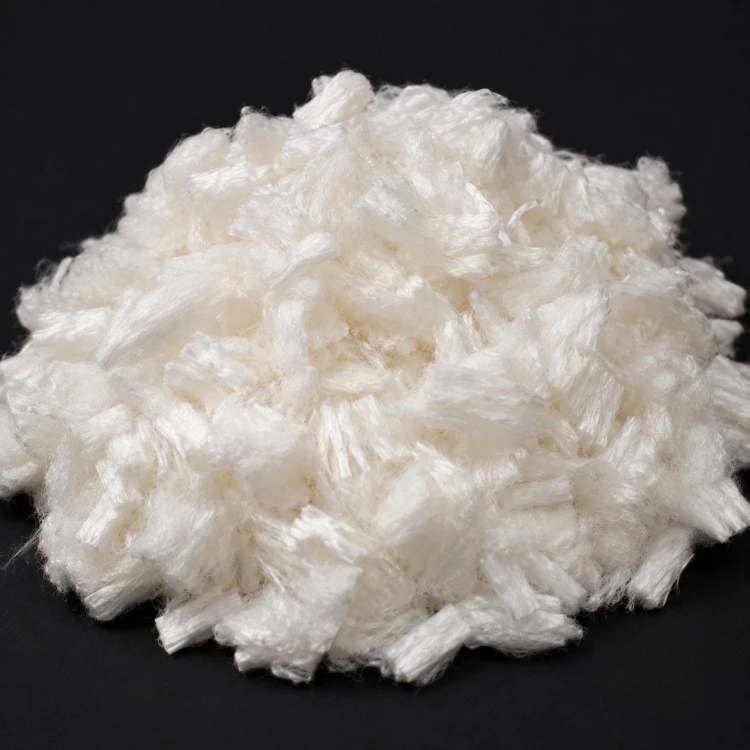
Bamboo staple fiber is a regenerated cellulose fiber spun from bamboo pulp. Bamboo can reach harvestable maturity in a relatively short cycle and regenerates from its rhizome system after cutting, which is why bamboo-based cellulose is commonly positioned as a renewable raw-material option. Our bamboo viscose fiber is produced through a viscose wet-spinning route using bamboo pulp, with pulp selection and process parameters controlled to achieve consistent fiber performance.
The portfolio covers bamboo rayon in raw white for general textile use, bamboo charcoal and antibacterial bamboo for functional applications, hollow and anti-UV grades for warmth and outdoor segments, and spinning grades specified for ring and rotor spinning. Bamboo fiber for spinning is supplied with controlled length distribution and crimp to support blending with cotton, modal and lyocell in knitwear and home-textile programmes.
Features & Material
Bamboo viscose offers good moisture management and a soft hand, making it suitable for garments and home textiles where comfort is important. Its smooth fiber surface and controlled crimp contribute to a soft, drapable handle. Actual moisture-management, hand and dimensional-stability performance depends on fiber grade, yarn construction and fabric finishing, so final claims should be confirmed by product or fabric testing.
Antibacterial bamboo grades can be formulated with functional agents and supplied with antibacterial performance data tested to GB/T 20944.3. Bamboo charcoal grades incorporate bamboo charcoal powder into the spinning dope to provide a characteristic dark appearance and application-specific functional properties. Hollow bamboo uses a hollow cross-section to increase trapped air volume at low weight. Anti-UV grades incorporate UV-screening components and can be developed toward specified UPF performance, subject to fabric construction and testing. Additive-free bright white bamboo viscose is available for applications seeking a simple regenerated-cellulose positioning.
Specifications
|
Parameter |
Specification |
|
Material |
Bamboo Viscose (regenerated cellulose from bamboo pulp) |
|
Type |
Natural / Bamboo charcoal / Antibacterial / Hollow / Anti-UV |
|
Linear Density |
1.2D / 1.4D / 1.5D / 2.5D / 3D |
|
Cut Length |
38mm / 51mm / 60mm |
|
Luster |
Bright / Matte |
|
Color |
Natural white / Bamboo charcoal black / Dope dyed |
|
Cross-section |
Serrated / Hollow |
|
Antibacterial Rate |
≥ 90% (S. aureus and E. coli, GB/T 20944.3) |
|
Dry Tenacity |
2.2–2.6 cN/dtex |
|
Elongation |
18–25% |
|
Moisture Regain |
12–14% |
|
UV Protection |
UPF 50+ (anti-uv grade) |
|
Application |
Underwear / Socks / Home textile / Hygiene / Outdoor |
Process Flow
Bamboo Culm Harvest → Pulp Making → Alkali Steeping → Xanthation → Dissolving & Ripening → Wet Spinning → Drawing → Cutting → Washing & Drying → Baling
Services
✓ Bamboo raw-material origin and sourcing documentation for sustainability reporting, where applicable.
✓ Third-party antibacterial testing and report issuance by batch or agreed testing schedule.
✓ Bamboo charcoal content confirmation and application-specific functional performance data.
✓ Blending trials with cotton, modal and lyocell on customer spinning lines.
✓ Washing and care recommendations based on the selected fiber grade and functional requirements.

FAQ
Q1. Is bamboo viscose the same as natural bamboo fiber?
A: Not necessarily. Bamboo viscose (bamboo rayon) is regenerated cellulose made from bamboo pulp through the viscose process. The term "natural bamboo fiber" is used inconsistently in trade; mechanically extracted bamboo bast fiber is a different material from regenerated bamboo viscose and has different properties and processing requirements.
Q2. How durable is the antibacterial effect?
A: The durability of antibacterial performance depends on the functional agent, fiber formulation and test method. Where the grade is tested to GB/T 20944.3, the reported result should be based on the relevant batch or test report. Care instructions such as washing below 40°C and avoiding chlorine bleach may be recommended when required by the specific grade.
Q3. How is bamboo charcoal added to the fiber?
A: Nano-scale bamboo charcoal powder can be dispersed into the spinning dope before spinning, allowing the particles to be incorporated into the fiber rather than applied only as a surface coating. The resulting appearance and functional performance depend on charcoal content, dispersion and the selected grade.
Q4. Does bamboo fiber shrink more than cotton?
A: Regenerated cellulose fibers can show higher first-wash shrinkage than cotton depending on the fiber and fabric construction. We recommend pre-shrinking or controlled relaxation during fabric finishing; residual shrinkage should be verified by the applicable fabric test method rather than treated as a universal value.
Hot Tags: bamboo staple fiber, China bamboo staple fiber manufacturers, suppliers, factory