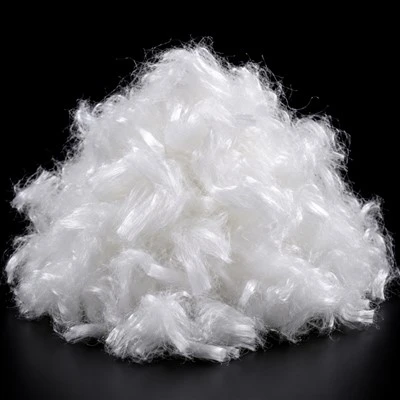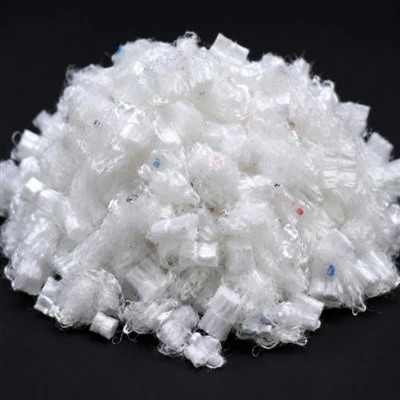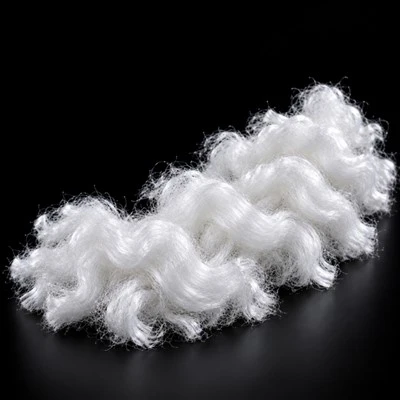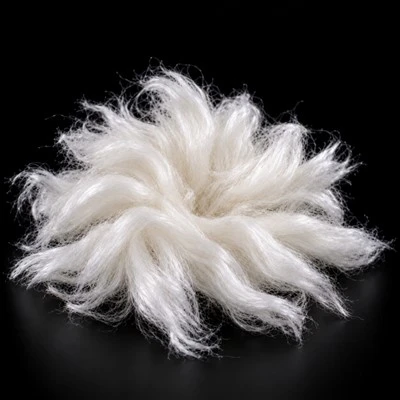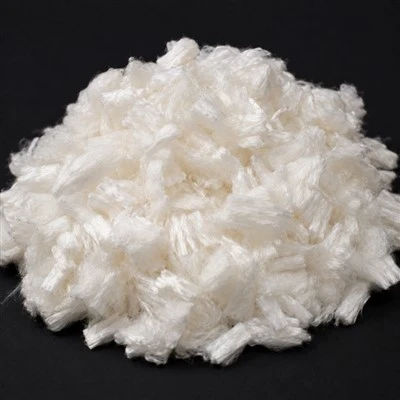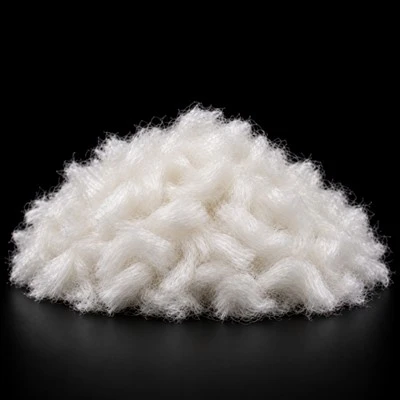
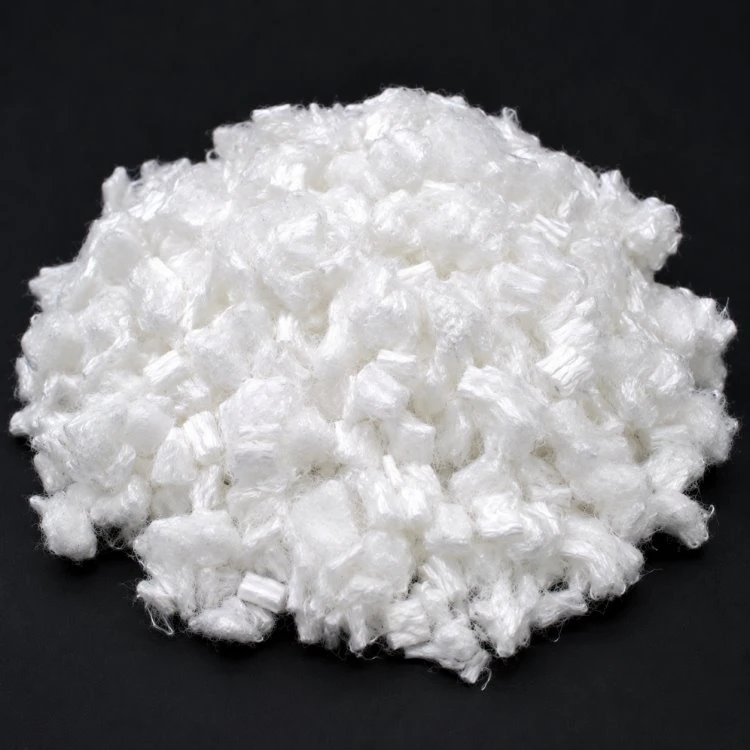
Suzhou Gongsheng Import & Export Co., Ltd. is one of the most reliable manufacturers and suppliers of viscose staple fiber in China, featured by quality products and low price. If you're going to wholesale advanced viscose staple fiber made in China, welcome to get pricelist and free sample from our factory. We also accept customized orders.
Opening
Viscose staple fiber (VSF) is regenerated cellulose spun from dissolving wood pulp sourced from sustainably managed plantations where applicable. The pulp undergoes alkali steeping, xanthation, and ripening to form cellulose xanthate, which is then extruded through spinnerets into a sulfuric acid coagulation bath - the classic wet-spinning route used for rayon. The result is a fiber that combines a soft, skin-friendly feel with the process control of a manufactured fiber.
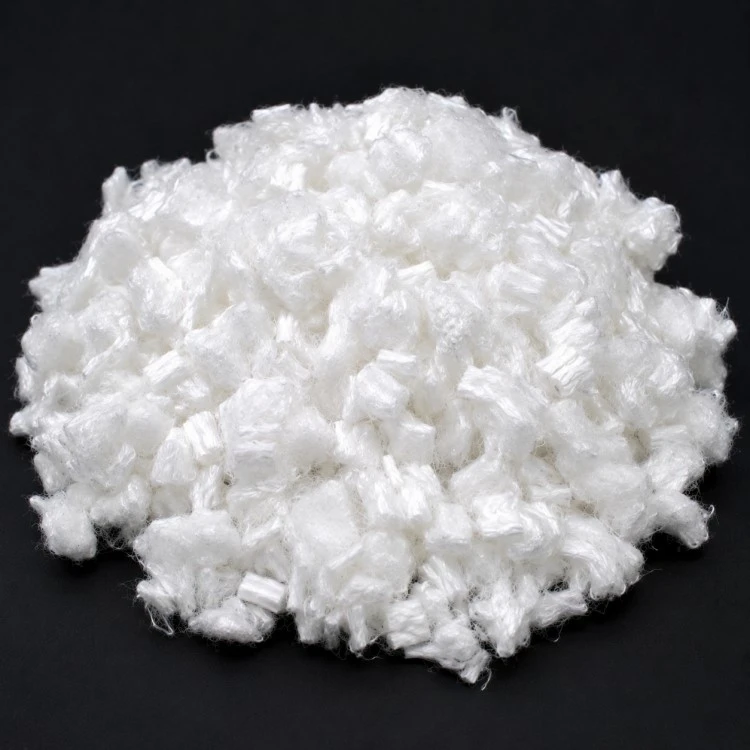
Our viscose fiber portfolio is supplied in regular, high wet modulus, bright, and raw white types, with deniers suited to ring spinning, rotor spinning, and spunlace or air-through nonwoven lines. The serrated cross-section and smooth surface contribute to soft drape, while high moisture regain supports comfort in apparel, hygiene, and home textile applications.
Features & Material
Viscose staple fiber has a moisture regain of roughly 13%, higher than polyester, so fabrics made from it can provide a breathable, comfortable feel in warm conditions. Bright viscose is selected for a silk-like luster in dress and lining applications, while raw white viscose is a standard base for bleaching and piece dyeing. Regular viscose is commonly blended with cotton and polyester to soften hand feel and support moisture management.
High wet modulus viscose retains a greater proportion of its strength when wet, supporting high-count yarn spinning and wet-state finishing where higher wet strength is required. Viscose nonwoven grade - our viscose staple fiber for nonwoven - can be supplied with controlled fiber length distribution for spunlace lines producing wipes and other hygiene or medical materials, where consistent web formation is important. Viscose spinning grade is specified for ring and vortex spinning with controlled nep content and stable crimp, while nonwoven grades can be matched to line speed and hydro-entanglement or needle-punch parameters. The fiber can be dyed with reactive and direct dyes at atmospheric pressure.
Specifications
|
Parameter |
Specification |
|
Material |
100% Viscose (dissolving wood pulp, FSC/PEFC chain available) |
|
Linear Density |
1.2D / 1.4D / 1.5D / 2.5D / 3D / 5D |
|
Cut Length |
32mm / 38mm / 51mm / 60mm |
|
Luster |
Bright / Semi-matte / Matte |
|
Color |
Raw white / Bright white / Dope dyed shades |
|
Cross-section |
Serrated (dog-bone) |
|
Dry Tenacity |
2.4–2.8 cN/dtex |
|
Wet Tenacity |
≥ 1.2 cN/dtex |
|
Moisture Regain |
11–13% |
|
Elongation |
18–24% |
|
Dyeing |
Reactive / Direct dyes, atmospheric pressure |
|
Application |
Apparel / Nonwoven / Hygiene / Home textile |
Process Flow
Dissolving Wood Pulp → Alkali Steeping → Xanthation → Dissolving & Ripening → Wet Spinning (H₂SO₄ bath) → Drawing → Cutting → Washing & Drying → Baling
Services
✓ FSC / PEFC chain-of-custody documentation provided for pulp origin on request.
✓ Spunlace and air-through nonwoven trial support with fiber length and crimp tuning.
✓ Dyeing recipe guidance for reactive and direct dye systems at atmospheric pressure.
✓ Blending ratio consultation for cotton, polyester and wool blend development.
✓ Sample bales of 5–25 kg shipped within 5 working days for evaluation lines.

FAQ
Q1. How does viscose staple fiber differ from polyester staple fiber in performance?
A: Viscose has much higher moisture regain than polyester, so it generally feels cooler and more breathable against the skin. Polyester provides higher dry and wet strength and better dimensional stability. In practice, the two are often blended - viscose for softness, comfort, and drape, and polyester for durability and shape retention.
Q2. Which nonwoven processes is your viscose nonwoven grade suited to?
A: It can be supplied in lengths and crimp levels suited to spunlace (hydro-entanglement), needle punch, and air-through thermal bonding. Spunlace mask and wipe lines commonly use 38mm at 1.4D–1.5D, while needle-punch geotextile and felt lines may prefer 51–60mm at 2.5D–3D, subject to line trials.
Q3. What is high wet modulus viscose used for?
A: High wet modulus viscose retains a higher proportion of its strength in the wet state and resists stretching under tension, making it suitable for high-count yarns, wet processing, and fabrics that need improved shape retention after repeated laundering.
Q4. Do you offer dope dyed colors to avoid downstream dyeing?
A: Yes. Dope-dyed viscose can be available in standard shades with a per-color MOQ, reducing the water, energy, and effluent load associated with piece dyeing and helping improve color consistency across lots.
Hot Tags: viscose staple fiber, China viscose staple fiber manufacturers, suppliers, factory