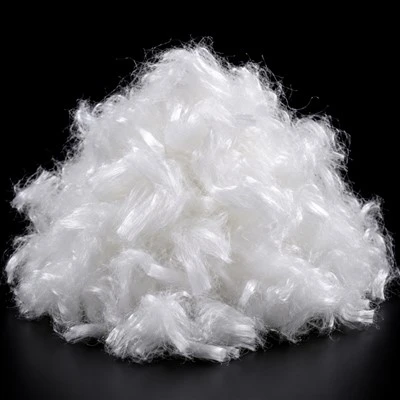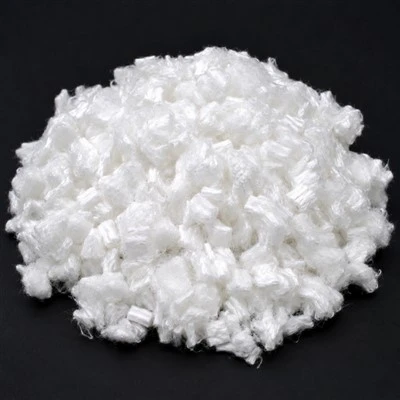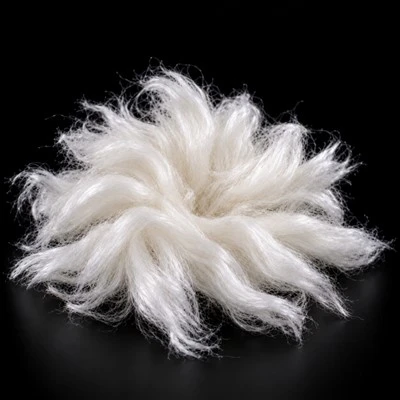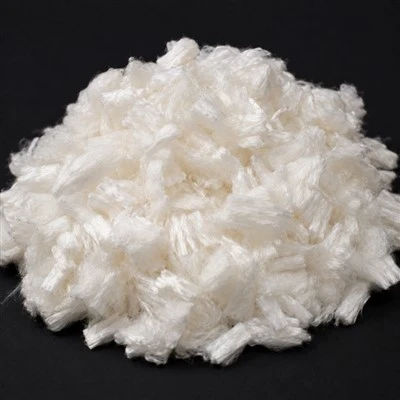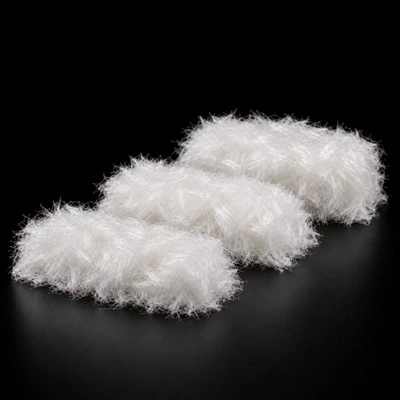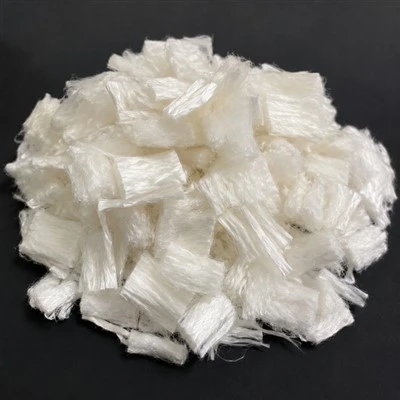
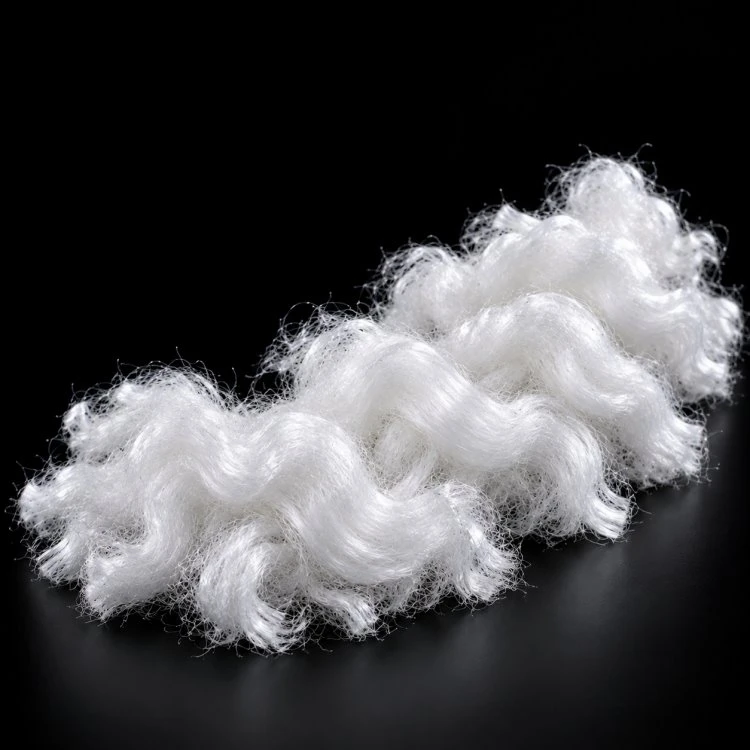
Suzhou Gongsheng Import & Export Co., Ltd. is one of the most reliable manufacturers and suppliers of modified polyester staple fiber in China, featured by quality products and low price. If you're going to wholesale advanced modified polyester staple fiber made in China, welcome to get pricelist and free sample from our factory. We also accept customized orders.
Opening
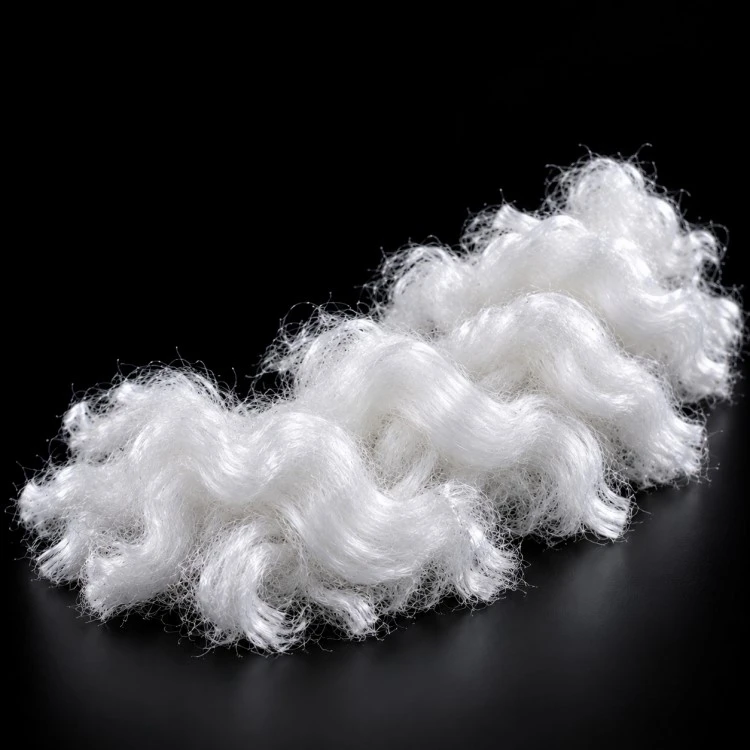
Modified polyester staple fiber is engineered polyester where the polymer chain is chemically altered during polymerization to deliver properties beyond standard PET. By introducing functional comonomers, modified PSF can be designed for atmospheric-pressure dyeing, low-temperature thermal bonding, flame-retardant performance, or high shrinkage, with each modification targeting specific applications.
Modified PSF can be designed for atmospheric-pressure dyeing, low-temperature thermal bonding, flame-retardant performance, or high shrinkage, with each modification targeting specific applications.
Features & Material
Our CDP fiber and CDP staple grades are cationic-dyeable polyester staple fibers that can be dyed with cationic dyes at atmospheric pressure (100°C), producing vivid shades with high color saturation. Modified polyester fiber with low-melt modification softens at 110–180°C, enabling thermal bonding in nonwoven lines without an additional binder fiber where the grade is suitable.
Flame-retardant PSF grades can be developed and tested to applicable FR standards, such as California TB117, for upholstery, bedding, and automotive interior applications. High-shrinkage PSF can deliver 30–50% shrinkage under specified hot-water or hot-air conditions and is used in bulky yarn production and artificial-fur backing. Dope-dyed staple can be available across selected modification types for color consistency and reduced water use, while easy-dyeable PSF grades can serve wool and cotton blending mills seeking brighter coloration.
Specifications
|
Parameter |
Specification |
|
Material |
Modified Polyester (PTA + MEG + functional comonomer) |
|
Modification Type |
CDP / Low Melt / Flame Retardant / High Shrinkage |
|
Linear Density |
1.4D / 2.5D / 4.5D / 6D (CDP); 2D–4D (Low Melt); 1.5D–7D (FR); 1.5D–5D (HS) |
|
Cut Length |
38mm / 51mm / 64mm / 76mm |
|
Luster |
Semi-dull / Bright |
|
Color |
Raw white / Dope dyed (multiple shades) |
|
CDP Dyeing Temp |
100°C (atmospheric, no carrier needed) |
|
Low Melt Softening Point |
110°C / 130°C / 160°C / 180°C (per grade) |
|
FR Standard |
California TB117 / BS 5852 / NFPA 701 |
|
High Shrinkage Ratio |
30% / 40% / 50% (in boiling water) |
|
Application |
Two-tone yarn / Thermal-bonded nonwoven / FR textile / Bulky yarn |
Process Flow
PTA + MEG + Comonomer (SIPM / Flame retardant / etc.) → Modified Polymerization → Melt Spinning → Drawing & Heat Setting → Crimping → Cutting → Modification QC → Packing
Services
✓ Modification type customization: blend two functions (e.g., low melt + FR) for hybrid applications.
✓ Lab dip and bulk sample run within 10 working days for new modification combinations.
✓ Technical guidance on dyeing temperature, bonding temperature, and FR compliance.
✓ Container loading flexibility with mixed modification types in 40HQ.
✓ Documentation: COA, modification spec sheet, and regulatory compliance report.

FAQ
Q1. What's the difference between CDP fiber and regular polyester fiber?
A: CDP (cationic-dyeable polyester) is modified with anionic groups, typically introduced through SIPM-based comonomer technology, allowing cationic dyes to bond at atmospheric pressure (100°C). This can produce vivid, saturated colors. Regular polyester is typically dyed with disperse dyes at high temperature, often around 130°C under pressure.
Q2. What's the softening temperature of low melt psf?
A: Low melt polyester staple fiber is available in 110°C, 130°C, 160°C, and 180°C softening point grades, selected based on the bonding temperature of your nonwoven line and the heat resistance of the substrate fiber. Lab confirmation is recommended for new combinations.
Q3. Which flame-retardant standards can your PSF be tested to?
A: Our flame-retardant PSF grades can be developed and tested to applicable standards such as California TB117, BS 5852 (UK), and NFPA 701 (US), depending on the product and application. Test certificates can be provided for qualified lots. Custom FR grades for other standards may require additional development time.
Q4. What is high shrinkage psf used for?
A: High-shrinkage polyester staple fiber can deliver 30–50% shrinkage under specified hot-water or hot-air conditions and is primarily used in bulky yarn production, artificial-fur backing, and carpet yarn. When blended with regular PSF, it can create differential shrinkage for enhanced texture and volume in finished fabrics.
Hot Tags: modified polyester staple fiber, China modified polyester staple fiber manufacturers, suppliers, factory