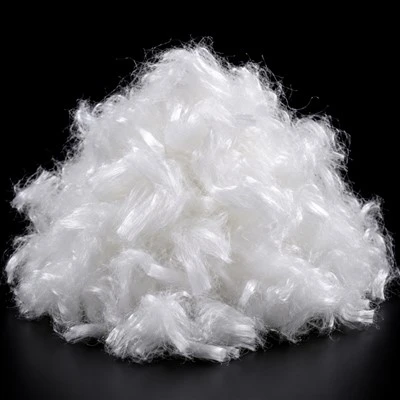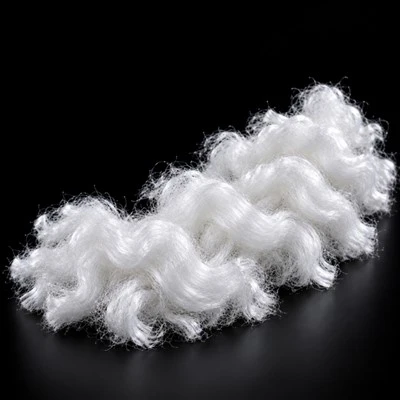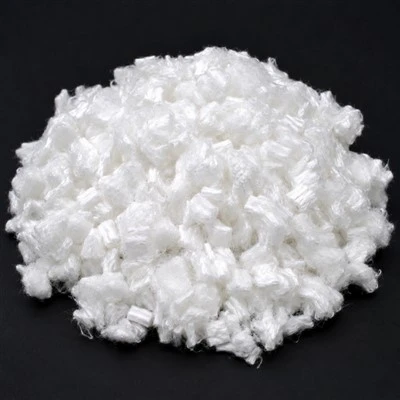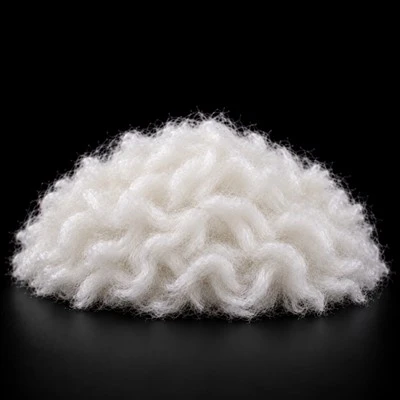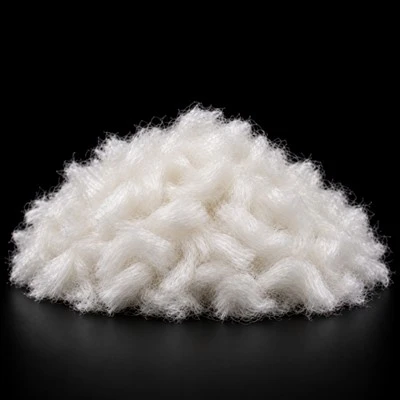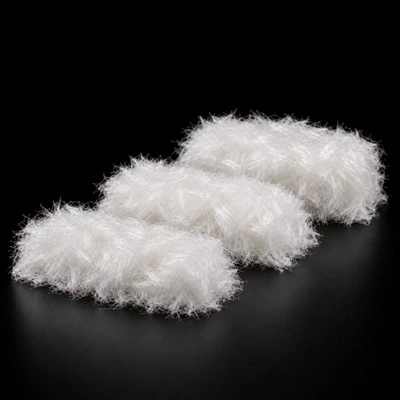
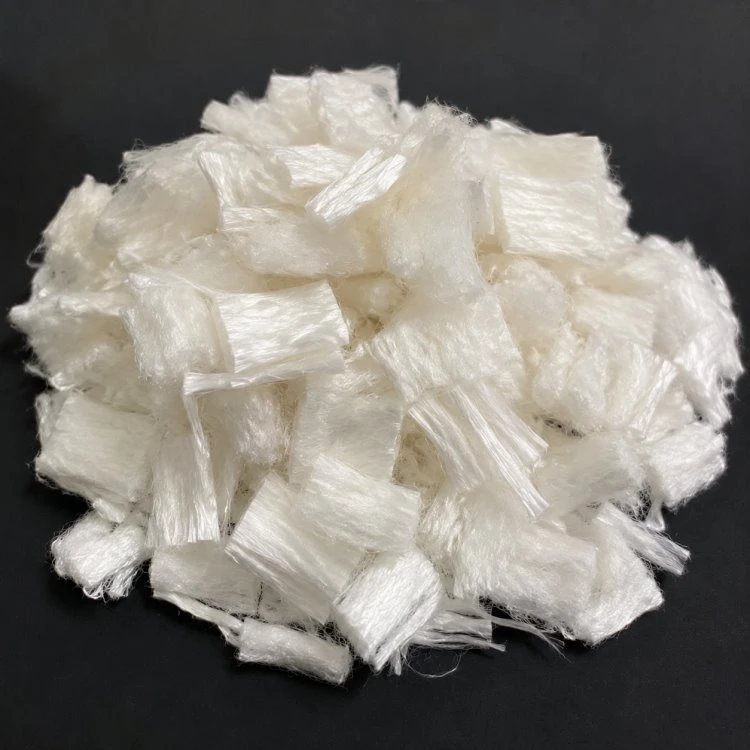
Suzhou Gongsheng Import & Export Co., Ltd. is one of the most reliable manufacturers and suppliers of modal staple fiber in China, featured by quality products and low price. If you're going to wholesale advanced modal staple fiber made in China, welcome to get pricelist and free sample from our factory. We also accept customized orders.
Opening
Modal is a high wet modulus regenerated cellulose fiber made from beech wood pulp through a modified viscose process. By adjusting xanthation and spinning conditions, modal grades can be engineered for higher wet strength and wet modulus than standard viscose, with performance depending on the specific grade and test method.
Our modal fiber is supplied for applications where softness and dimensional control are important, including underwear, base layers, T-shirts, loungewear and bedding. Modal staple fiber can be processed on cotton-spinning systems with appropriate line adjustment. Fine-count grades are available for knitting, alongside warp and weft weaving grades for smooth, controlled-shrinkage fabrics.
Features & Material
Wet strength retention is the clearest way to separate modal from ordinary viscose. Standard viscose holds roughly 45% of its dry strength when wet; hwm modal holds above 60%, which translates into lower end-break rates during spinning and fewer defects during wet finishing. Because the fiber also absorbs less water and swells less, fabrics knit or woven from modal shrink noticeably less in the first wash and hold their shape through repeated laundering - the practical reason it displaced standard viscose in underwear and knitwear programmes.
Softness is the other half of the modal proposition, and it is structural rather than a finish. The fiber surface is smooth and highly uniform, giving a low-friction hand that stays soft after many washes instead of stiffening the way cotton does when surface waxes are stripped away. Modal for underwear exploits this low friction together with antistatic behaviour to produce garments that do not cling, itch or chafe; across modal for apparel more broadly, the modal textile grade divides into a modal knitting grade for circular knit and rib and a modal weaving grade for shirtings and sheeting. Modal cotton blend yarns - typically 50/50 or 60/40 - are the dominant commercial form, combining the moisture management and durability of cotton with the softness and colour depth of modal. Fine modal fiber for knitting targets jersey and interlock where a smooth, low-shrinkage surface drives the specification. Tencel modal is the benchmark brand product in this category; our line is engineered to comparable softness, whiteness and spinning performance.
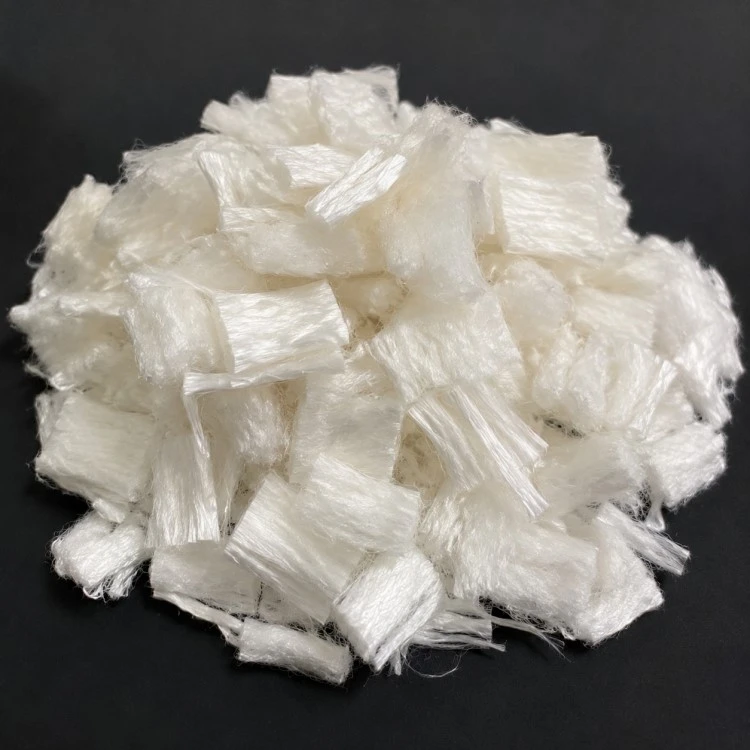
Specifications
|
Parameter |
Specification |
|
Material |
100% Modal (high wet modulus regenerated cellulose from beech wood pulp) |
|
Type |
Standard modal / Micro modal (fine denier) / Dope dyed |
|
Linear Density |
1.0D / 1.2D / 1.3D / 1.4D / 1.5D |
|
Cut Length |
38mm / 40mm / 51mm |
|
Luster |
Bright / Matte |
|
Color |
Raw white / Dope dyed shades |
|
Cross-section |
Round / Smooth |
|
Dry Tenacity |
3.2–3.6 cN/dtex |
|
Wet Tenacity |
≥ 1.9 cN/dtex (above 60% retention) |
|
Wet Modulus |
High (HWM grade) |
|
Moisture Regain |
12–13% |
|
Shrinkage |
Lower than standard viscose |
|
Application |
Underwear / Knitwear / T-shirt / Loungewear / Bedding |
Process Flow
Beech Wood Pulp → Alkali Steeping → Modified Xanthation → Dissolving & Ripening → Wet Spinning (modified bath) → Drawing → Cutting → Washing & Drying → Baling
Services
✓ Blend ratio guidance for modal-cotton, modal-lyocell and modal-wool yarns.
✓ Knitting trial support for circular knit, rib and interlock structures.
✓ Softness and hand comparison data against standard viscose and cotton benchmarks.
✓ Dyeing guidance for reactive dyes with colour depth and fastness optimisation.
✓ Micro modal sampling for fine-gauge knitwear and premium underwear development.

FAQ
Q1. What is the real difference between modal and ordinary viscose?
A: Both are regenerated cellulose from wood pulp, but modal is spun under modified conditions that yield a higher degree of polymerisation and a denser, more uniform structure. The practical consequences are higher wet strength and much higher wet modulus, so modal yarns survive spinning and wet finishing with fewer breaks and fabrics shrink less and hold shape better.
Q2. How does modal compare with lyocell?
A: Lyocell uses direct NMMO solvent spinning and a closed-loop solvent recovery system; its strength and hand differ by grade. Modal uses a modified viscose route and is often selected for a soft, cotton-like hand. For underwear and loungewear, modal is commonly considered; lyocell may be preferred where higher strength or fibrillation control is required.
Q3. Will modal fabric shrink in the first wash?
A: Modal generally shows lower shrinkage than standard viscose, but regenerated cellulose can still relax during washing. Actual residual shrinkage depends on fiber grade, fabric construction and finishing. For knitwear, relaxation or pre-shrinking trials are recommended, with washing conditions selected according to the finished fabric's care specification.
Q4. Why is modal so widely used for underwear?
A: Because it combines three properties that matter in next-to-skin wear: a smooth low-friction surface so it does not chafe, antistatic behaviour so it does not cling, and high moisture regain so it stays comfortable. It also keeps its softness after repeated laundering, whereas cotton stiffens as surface waxes are removed.
Hot Tags: modal staple fiber, China modal staple fiber manufacturers, suppliers, factory