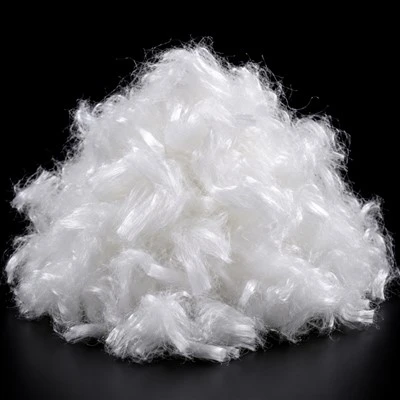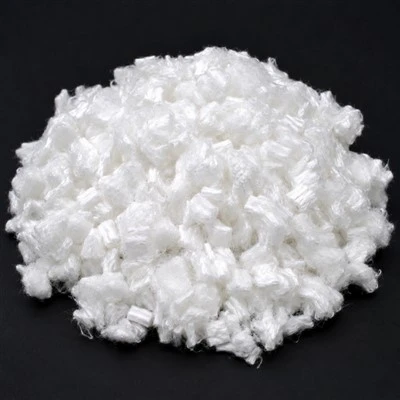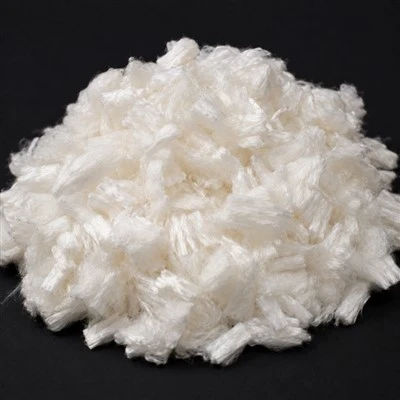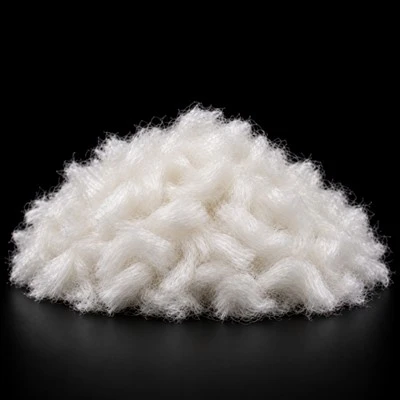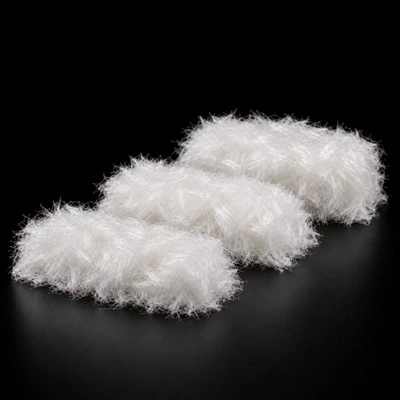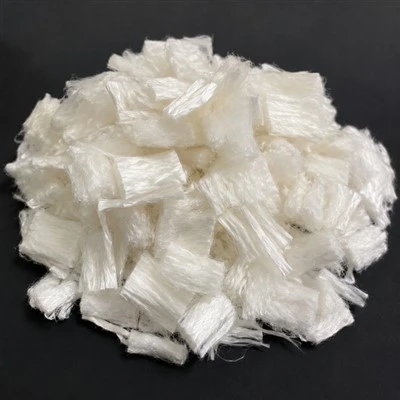
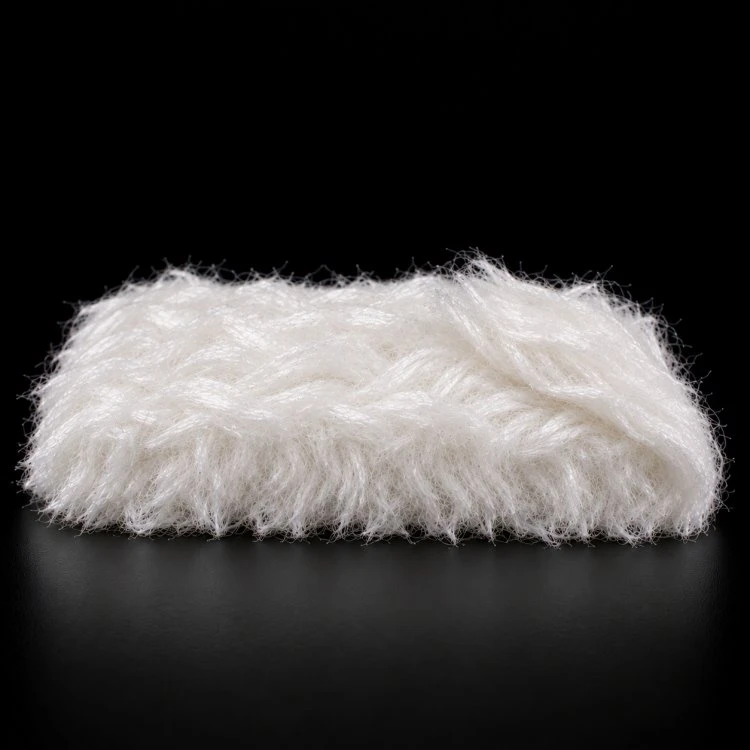
Suzhou Gongsheng Import & Export Co., Ltd. is one of the most reliable manufacturers and suppliers of acetate staple fiber in China, featured by quality products and low price. If you're going to wholesale advanced acetate staple fiber made in China, welcome to get pricelist and free sample from our factory. We also accept customized orders.
Opening
Cellulose acetate fiber belongs to the semi-synthetic fiber family. Its cellulose backbone is derived from wood pulp, and hydroxyl groups are esterified with acetic anhydride to form cellulose acetate, which can then be dissolved in acetone and dry spun. This structure gives acetate a combination of cellulose-derived comfort characteristics and thermoplastic processing behaviour suitable for spinning, texturing and heat setting.
The two main application areas of our acetate fiber line are textile-grade acetate for apparel and tow-grade acetate for filtration applications. Within textiles, diacetate fiber is widely used for linings, dress fabrics and eveningwear where silk-like luster and fluid drape are desired. In filtration, cellulose acetate can be supplied as tow with controlled filament count and total denier to meet specified pressure-drop and filtration requirements.
Features & Material
Acetate offers a distinctive luster, drape and hand. Bright acetate can provide a silk-like appearance, while matte acetate offers a soft, dry surface. The fiber drapes with less elastic recovery than polyester, which supports its use in garment linings and selected apparel fabrics. Acetate can also feel cool against the skin in suitable fabric constructions, making it suitable for summer and lightweight apparel.
For filtration applications, acetate tow requires controlled filament denier and total denier to meet the specified tow-rod and pressure-drop requirements. Cellulose acetate can provide selective retention characteristics in filter applications, with actual performance depending on tow specification and filter design. Textile-grade acetate can be dyed with disperse dyes and offers suitable colour performance, but ester linkages can be affected by strong alkaline conditions. Scouring and finishing should therefore use controlled pH conditions appropriate to the grade. Moisture regain is typically around 6–6.5%, depending on grade and test method.
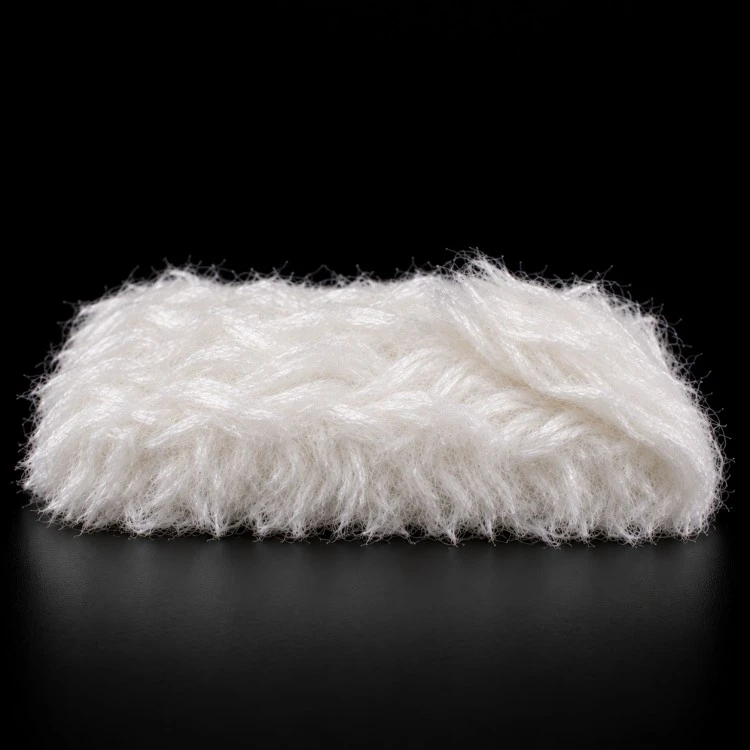
Specifications
|
Parameter |
Specification |
|
Material |
Cellulose Acetate (esterified wood pulp) |
|
Type |
Diacetate (textile) / Triacetate / Tow grade (filter) |
|
Acetyl Content |
54–56% (diacetate) / 60–62% (triacetate) |
|
Linear Density |
1.5D / 3D / 5D (textile) · 2.5D–5.0D (filter grade) |
|
Cut Length |
38mm / 51mm / 64mm |
|
Luster |
Bright / Matte |
|
Cross-section |
Y-shaped / Serrated |
|
Dry Tenacity |
1.2–1.5 cN/dtex |
|
Elongation |
20–30% |
|
Moisture Regain |
6–6.5% |
|
Dye Class |
Disperse dyes (textile grade) |
|
Alkali Resistance |
Limited - avoid strong alkali and high-pH baths |
|
Application |
Lining / Eveningwear / Cigarette filter / Filtration media |
Process Flow
Wood Pulp → Acetylation (Acetic Anhydride) → Hydrolysis → Precipitation & Washing → Dissolution in Acetone → Dry Spinning → Drawing → Crimping → Cutting → Drying & Baling
Services
✓ Tow specification matching - filament denier, total denier and agreed pressure-drop target.
✓ Lining and eveningwear fabric development with drape and hand evaluation.
✓ Dyeing process guidance for disperse dyes, including agreed pH control windows.
✓ Alkali-avoidance recommendations for scouring, bleaching and finishing stages.
✓ Small-lot sample supply for agreed filter-performance testing.

FAQ
Q1. How is acetate different from viscose?
A: Both can start from wood pulp, but viscose is regenerated cellulose while acetate is cellulose that has been esterified with acetic anhydride. Esterification gives acetate different thermoplastic behaviour, luster and moisture properties. Acetate generally has lower moisture regain and lower tolerance to strong alkali than viscose, while viscose is more hydrophilic.
Q2. Why is acetate preferred for garment linings?
A: Acetate offers fluid drape, a smooth hand and a characteristic luster, while suitable fabric constructions can provide a cool skin feel. These properties make it well suited to garment linings and selected apparel fabrics. Static behaviour depends on fabric construction and finishing, so it should be evaluated for the final fabric.
Q3. What are the requirements for filter grade acetate?
A: Filament denier should remain within the specified range, typically 2.5D–5.0D for the grade listed here, with total denier matched to the tow-rod specification. Pressure drop depends on tow structure and filter design, so filtration performance and retention requirements should be controlled consistently from lot to lot.
Q4. Can acetate fabric be washed normally?
A: Acetate can tolerate mild hand washing or gentle machine cycles in cool water with neutral detergent, depending on the fabric construction. Strong alkali, caustic soda, high-pH bleach and excessive heat can damage the fiber or fabric. Care instructions should therefore follow the garment or fabric supplier's tested recommendation.
Hot Tags: acetate staple fiber, China acetate staple fiber manufacturers, suppliers, factory