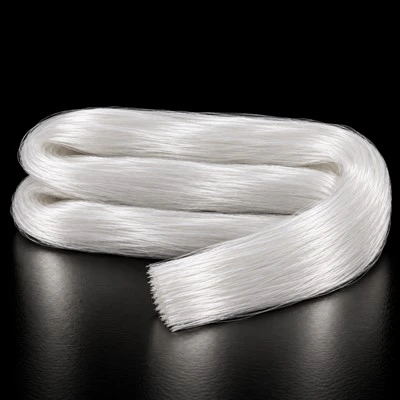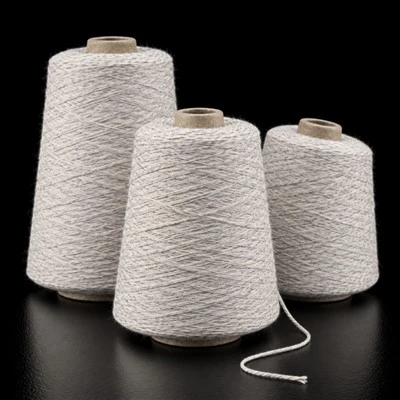
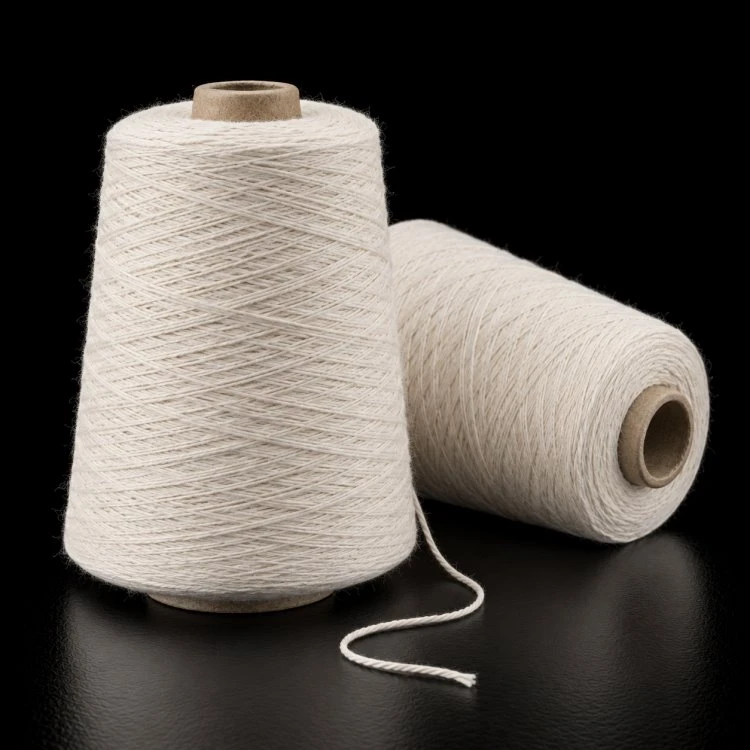
Suzhou Gongsheng Import & Export Co., Ltd. is one of the most reliable manufacturers and suppliers of pure cotton yarn in China, featured by quality products and low price. If you're going to wholesale advanced pure cotton yarn made in China, welcome to get pricelist and free sample from our factory. We also accept customized orders.
Opening
Pure cotton yarn is spun entirely from natural cotton fiber, and its value starts in the raw material selection: fiber length (staple), micronaire (fineness and maturity) and color grade all influence the yarn's performance. We source ginned cotton by contract grade and spin on ring systems, with yarn properties depending on cotton quality, count and process settings. Where traceability is maintained, lots can be linked back to bale inputs to support a 100 cotton yarn composition claim with the relevant documentation.
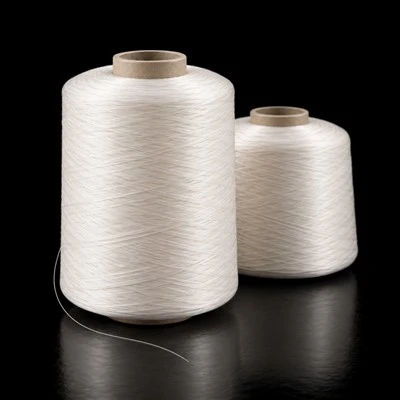
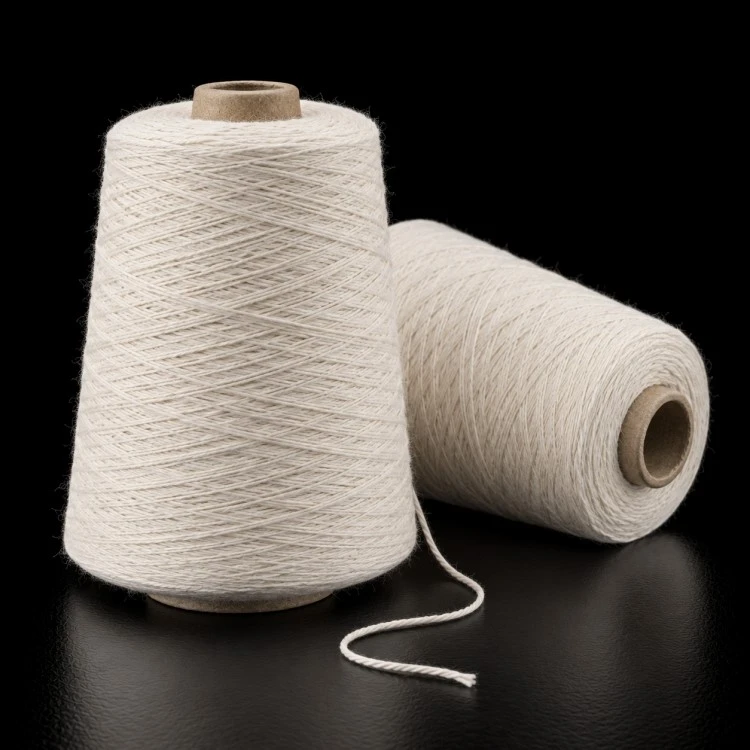
The product line splits by preparation and combing. carded cotton yarn skips the combing stage, generally offering lower cost and more retained short fiber than combed yarn, making it suitable for fleeces, denim-related fabrics and towels where bulk is valued. Combed ring spun yarn removes a greater proportion of short fibers and neps, supporting smoother and more even yarn for high-count shirting, undergarments and premium knits. raw cotton yarn on cones, undyed, is a standard supply form for weavers and dye houses running their own color programs.
Features & Material
Ring spinning is one important reason for the performance profile of our cotton yarn. Rotor and air-jet systems offer higher productivity, while ring spun yarn can provide a different balance of tenacity, hairiness and twist structure at the same count, depending on equipment and settings. Count range runs Ne 10s to Ne 80s single and folded; strength on combed 40s is typically specified by grade and test method rather than as a universal value. Cotton's moisture regain is commonly around 8.5% under standard conditions, while static behavior and dye response depend on humidity, finishing and process conditions.
Procurement guidance is simple but should be matched to the fabric program: buy by the parameters that drive your fabric, not by price per kilogram alone. Micronaire should be evaluated together with fiber maturity, length, strength and color grade rather than using a single universal cutoff. Staple length is an important factor in achievable count and yarn quality, but the practical limit depends on the cotton and spinning system. For shirting and premium knits, combed ring spun yarn with relevant Uster statistics can be specified; for towels and fleece, carded cotton yarn can offer a cost-effective route to bulk. Production note: cotton yarn is biodegradable and moisture-sensitive, so storage should follow the supplier's recommended humidity and packaging conditions.
Specifications
|
Parameter |
Specification |
|
Material |
100% natural cotton fiber |
|
Spinning System |
Ring spinning (carded / combed) |
|
Count Range |
Ne 10s – 80s · single & folded (plied) |
|
Tenacity |
≈15–18 cN/tex (carded) · 18–20 cN/tex (combed) |
|
Evenness CV% |
Certified per lot (Uster statistics available) |
|
Twist |
Z twist standard · S twist on request |
|
Micronaire Control |
Input cotton 3.5–4.9 (grade matched to end use) |
|
Moisture Regain |
Typically around 8.5% under standard conditions; test-condition dependent |
|
Dye Class |
Reactive / Direct / Vat dyes |
|
Supply Form |
raw cotton yarn on cones, undyed · dye-ready |
|
Certification |
OEKO-TEX Standard 100 · BCI/organic cotton on request |
|
Application |
Shirting / Knits / Towels / Denim / Undergarments |
Process Flow
Cotton Grading & Bale Selection → Opening & Cleaning → Blending → Carding → Drawing → Combing (Combed Line) → Roving → Ring Spinning → Winding & Splicing → Steaming, Testing & Packing
Services
✓ Count and micronaire selection consulting against your fabric program.
✓ Uster evenness and tenacity certificates with every lot.
✓ Sample cones for knitting and weaving trials before bulk orders.
✓ Shade-matched dyeing support with reactive dye recipes.
✓ BCI and organic cotton sourcing with transaction certificates.

FAQ
Q1. What is the difference between carded and combed cotton yarn?
A: Combing adds a step that removes short fibers and neps before spinning. The result is stronger, smoother, more even yarn - the standard for shirting, undergarments and premium knits where surface quality shows. Carded yarn keeps those fibers, costs less, and delivers more bulk - the right choice for towels, fleece and fabrics where loft matters more than surface.
Q2. Why does the micronaire value matter so much?
A: Micronaire combines aspects of fiber fineness and maturity into one measurement, but it should be interpreted with other cotton quality parameters. A moderate micronaire range may be suitable for many spinning programs, while very high or very low values can indicate quality or process considerations depending on cotton type. It is useful as one of the economical parameters to check before committing to a fabric program.
Q3. What makes ring spun yarn worth the premium over rotor yarn?
A: Strength, hairiness and yarn-structure flexibility. Ring spinning can provide a useful balance of tenacity, hairiness and twist structure at the same count, depending on equipment and settings. For fabrics where surface quality and strength both matter, ring spun yarn is one suitable engineering choice rather than simply a luxury option.
Q4. Can you certify the yarn as 100 cotton yarn?
A: Yes. Our bale-to-lot traceability supports the declaration with documentation - input cotton grades, lot records and fiber composition data. That traceability is what makes the claim defensible at customs and in retail compliance audits, rather than just printable on a label.
Hot Tags: pure cotton yarn, China pure cotton yarn manufacturers, suppliers, factory