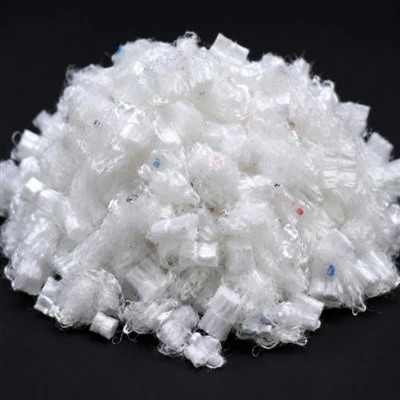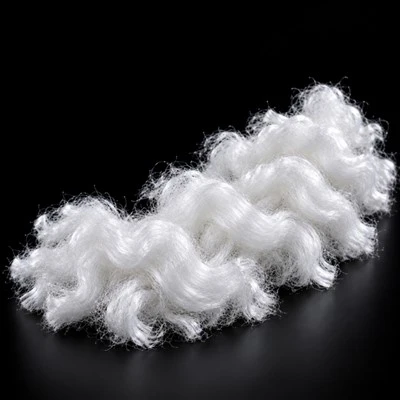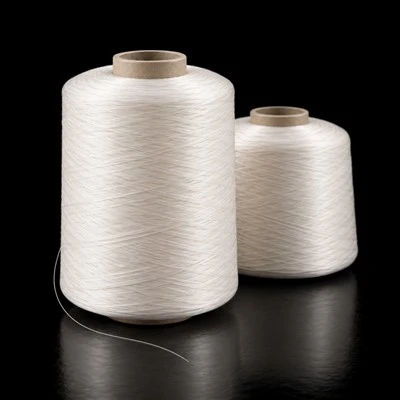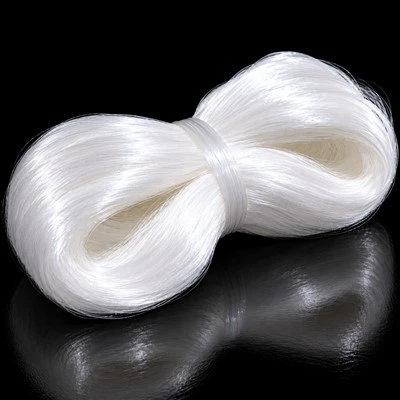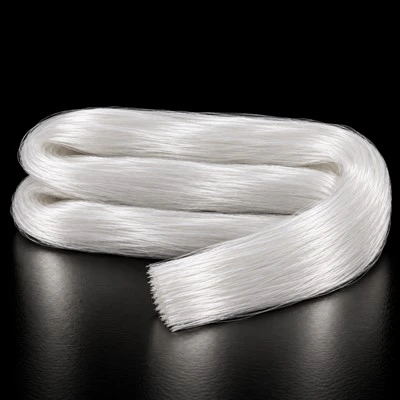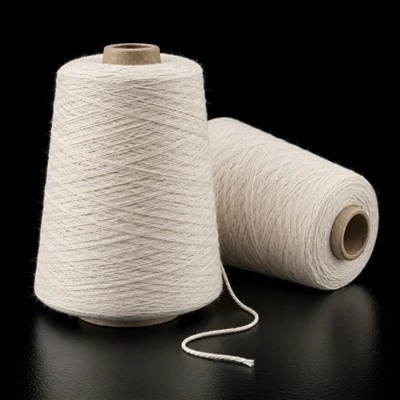
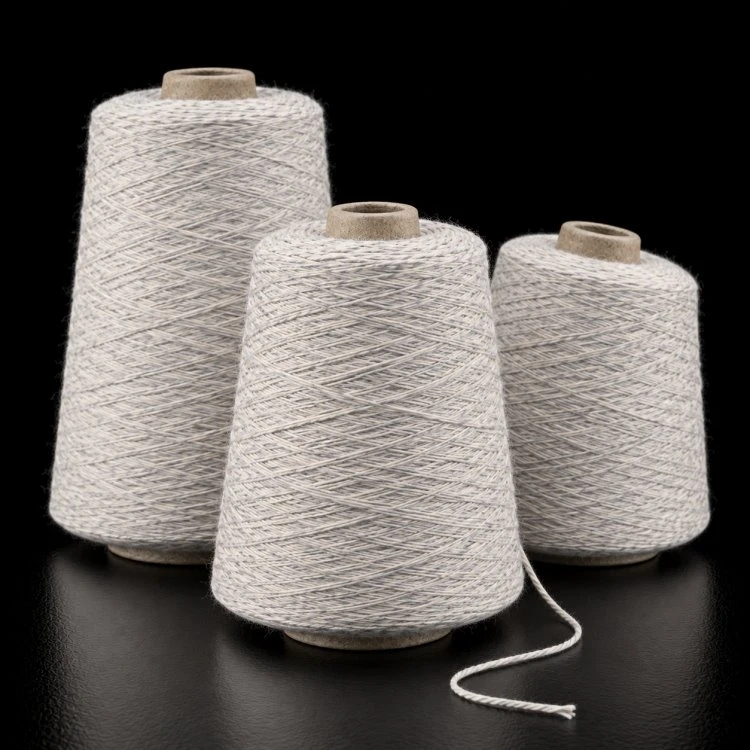
Suzhou Gongsheng Import & Export Co., Ltd. is one of the most reliable manufacturers and suppliers of polyester blended yarn in China, featured by quality products and low price. If you're going to wholesale advanced polyester blended yarn made in China, welcome to get pricelist and free sample from our factory. We also accept customized orders.
Opening
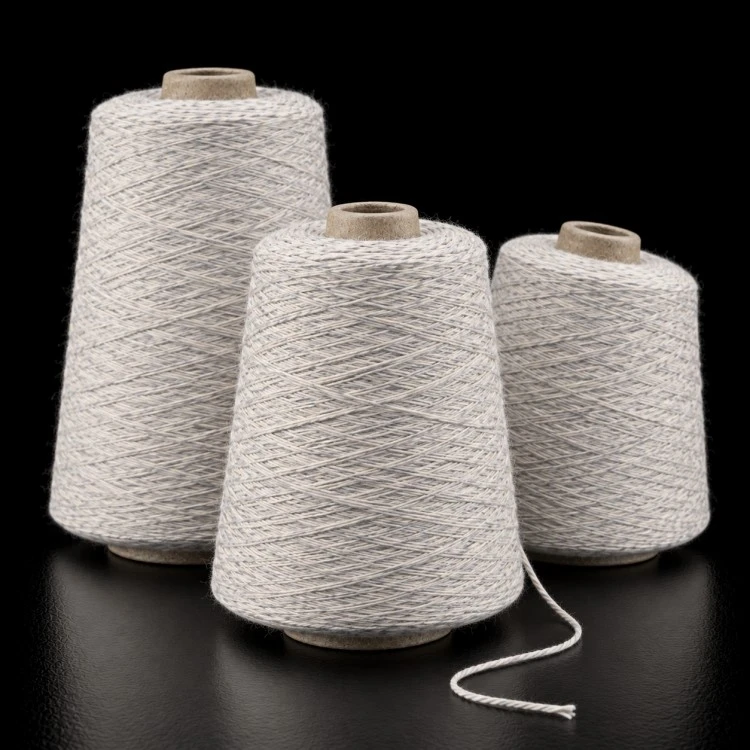
Polyester blended yarn combines cotton fiber and polyester staple in one spun yarn, with the blend ratio shaping the balance of strength, dimensional stability, comfort and cost. Ring spinning can blend the two fibers through the preparation and drawing stages so the yarn contains the designed mix throughout its structure. This is a true cotton polyester blend yarn rather than a coating or cored-yarn construction.
The commercial map is written in blend ratios. tc yarn (polyester-dominant, typically 65/35) is commonly selected for workwear, uniforms and bedding where durability and easy-care performance matter. cvc yarn - chief value cotton, cotton-dominant at 60/40 or richer - emphasizes cotton hand and comfort while polyester contributes strength and dimensional stability. t65 c35 polyester cotton yarn is a widely used balance ratio for shirting, bedding and poplin. Other ratios can be spun to order.
Features & Material
Blend engineering shows up in the parameters that matter at the loom and dye house. A 65/35 TC ring-spun yarn may show different strength and shrinkage performance from a comparable pure-cotton yarn, but actual differences depend on count, fiber quality, spinning system and test method. CVC at 60/40 can retain a cotton-rich hand while polyester contributes strength and dimensional stability; dye response depends on the dye system and process. Blend ratios can also change raw-material cost exposure, although actual yarn pricing depends on market and contract conditions.
Dyeing strategy is an important part of blend development and should be specified for the fiber ratio and fabric construction. Polyester cotton yarn is commonly dyed using a two-stage or two-bath route: disperse dyes are used for the polyester component under suitable high-temperature conditions, followed by a dye system for the cotton component. Exact temperature and sequence depend on the dye class, machinery and shade target. Cotton viscose blends and other tri-blends can be developed on request. Production notes: pilling, hairiness and sewing performance depend on fiber properties, yarn construction and fabric processing rather than on blend ratio alone.
Specifications
|
Parameter |
Specification |
|
Material |
Cotton + Polyester staple fiber |
|
Blend Ratios |
T/C 65/35 (tc yarn) · CVC 60/40 · t65 c35 polyester cotton yarn · custom ratios on order |
|
Spinning System |
Ring spinning (carded / combed cotton component) |
|
Count Range |
Ne 21s – 60s · single & folded |
|
Tenacity |
≈20–24 cN/tex (T/C 45s) - ≈30% above pure cotton equivalent |
|
Shrinkage |
Lower than pure cotton; stabilizes fabric dimensional targets |
|
Moisture Regain |
≈2.5–4.5% (ratio dependent) |
|
Dye Class |
Two-bath: disperse (PES, 130°C) + reactive (cotton) |
|
Evenness CV% |
Certified per lot (Uster statistics available) |
|
Twist |
Z standard · S on request |
|
Certification |
OEKO-TEX Standard 100 · recycled polyester option (GRS) |
|
Application |
Shirting / Poplin / Workwear / Uniforms / Bedding / Pocketing |
Process Flow
Cotton & Polyester Bale Intake → Opening & Cleaning → Blending (Ratio Controlled) → Carding → Drawing (Multi-passage Blending) → Combing (Combed Line) → Roving → Ring Spinning → Winding & Splicing → Testing & Packing
Services
✓ Blend ratio selection consulting against fabric hand, durability and cost targets.
✓ Two-bath dyeing shade standards with each development lot.
✓ Uster evenness and tenacity certificates per shipment.
✓ Sample cones for weave trials in T/C and CVC counts.
✓ GRS recycled-polyester blend versions for sustainable programs.

FAQ
Q1. What is the difference between tc yarn and cvc yarn?
A: The dominant fiber. TC 65/35 is polyester-dominant and is commonly chosen for durability, easy-care performance and cost balance. CVC is cotton-dominant (60/40 or richer), emphasizing cotton hand and comfort while polyester contributes strength and dimensional stability. Actual cost, durability and hand feel depend on the yarn, fabric construction and finishing process.
Q2. Why is t65 c35 polyester cotton yarn still the volume standard?
A: It is a widely used balance ratio for shirting and bedding: enough polyester to contribute strength, dimensional stability and easy-care performance, with enough cotton for comfort and cotton-rich dye response. Its continued use reflects established market practice, but actual demand varies by region, product and customer specification.
Q3. How is a cotton polyester blend yarn dyed?
A: Often two stages or two baths, with dye classes selected for the two fiber components. Disperse dyes are used for the polyester component under suitable high-temperature conditions, followed by an appropriate dye system for cotton. Exact temperature, pressure and sequence depend on the dye class, machinery and shade target; development lots can be accompanied by shade standards where agreed.
Q4. Can the polyester component be recycled polyester?
A: Yes. recycled polyester can be used in the polyester fraction. For GRS programs, the recycled-content claim and transaction documentation should match the certified scope and applicable supply-chain records. Spinning and dyeing behavior can be similar to virgin-polyester blends, but actual performance and process settings should be confirmed for the specific rPET fiber and blend.
Hot Tags: polyester blended yarn, China polyester blended yarn manufacturers, suppliers, factory