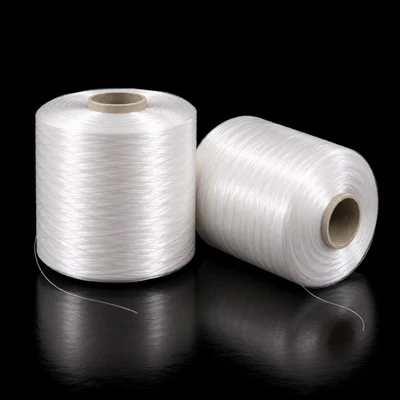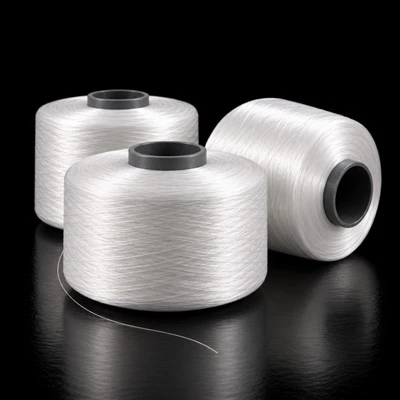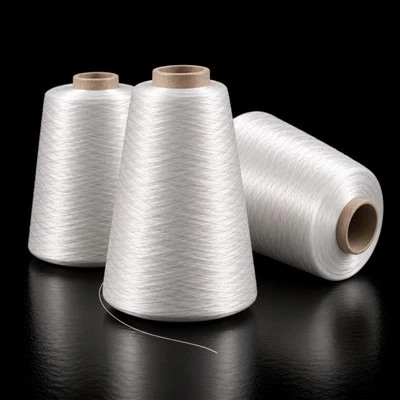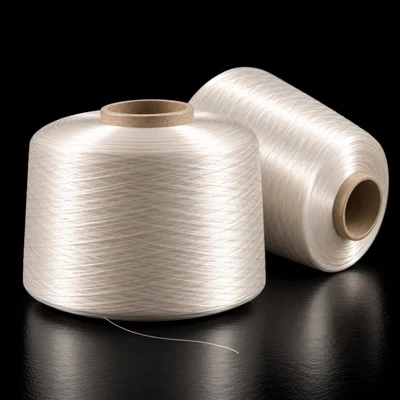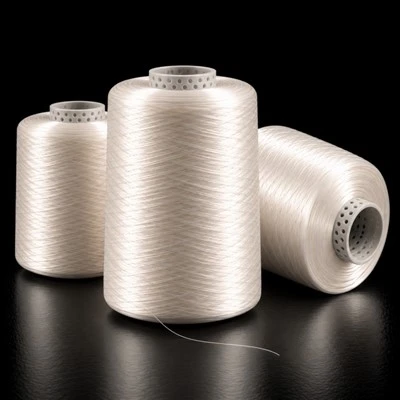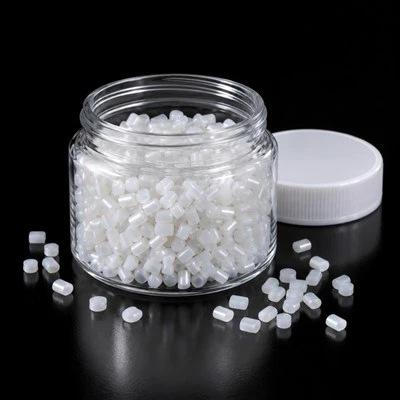
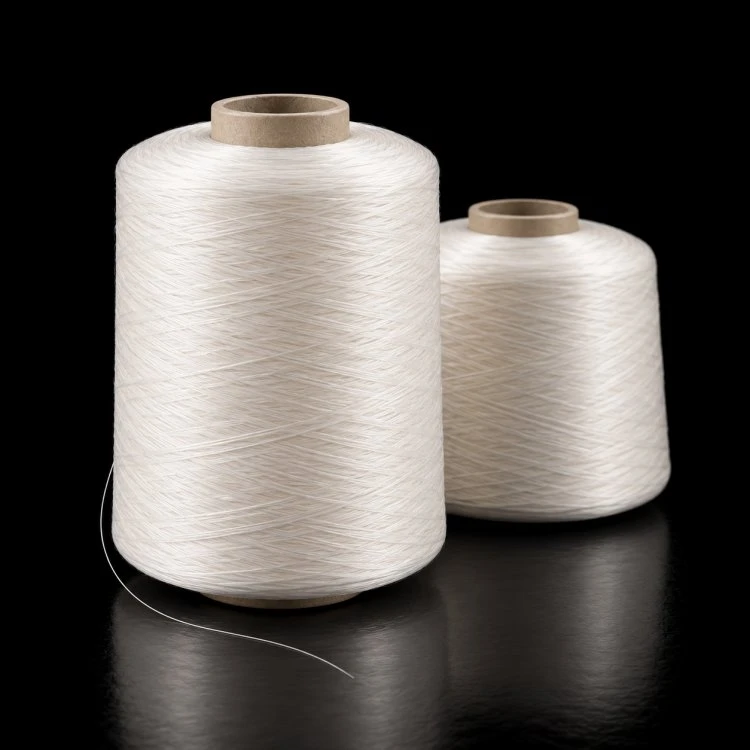
Suzhou Gongsheng Import & Export Co., Ltd. is one of the most reliable manufacturers and suppliers of lyocell filament yarn in China, featured by quality products and low price. If you're going to wholesale advanced lyocell filament yarn made in China, welcome to get pricelist and free sample from our factory. We also accept customized orders.
Opening
Lyocell filament yarn is the rare combination of a cellulosic hand feel with continuous-filament geometry. Wood pulp is dissolved directly in N-methylmorpholine-N-oxide (NMMO) - no derivatization, no xanthation - and the spinning dope is extruded into an aqueous bath where the cellulose regenerates as smooth, round filaments. Because the solvent is filtered and recycled at rates above 99%, the process is a genuine closed loop, which is why solvent spun filament has become the reference term among mills sourcing low-impact cellulosics.
Continuous filament expands lyocell into satin, charmeuse, organza and other flowing woven constructions. It can offer a soft drape and subtle luster while retaining cellulose-based moisture absorption. For fsc lyocell filament, chain-of-custody documentation can be supplied where the applicable certified pulp and scope support the claim; downstream claims remain subject to the buyer's own certification requirements.
Features & Material
The filament form provides high dry and wet strength for a regenerated-cellulose fiber. Wet tenacity retention is commonly reported around 85% for specified grades and test methods, but actual values vary by product. The smooth circular cross-section can provide a soft, controlled luster, while reactive dyes can deliver deep shades on properly prepared cellulose fabrics.
Sustainability claims here are structural, not cosmetic. NMMO recovery above 99% means the process does not discharge the carbon disulfide associated with viscose production, and closed-loop water use keeps effluent load low. lyocell yarn from our line is produced only from FSC-certified pulp, and each shipment includes the certificate number so garment brands can pass it downstream. Applications sit where the hand and the story both matter: luxury linings, blouses, scarves, sari and kimono fabrics, and blends with silk or mulberry-weight polyester for fluid shirting. Note for production teams: the fiber fibrillates under wet abrasion, which is a feature for peach-skin finishes but must be controlled with enzyme polishing where a clean surface is required.
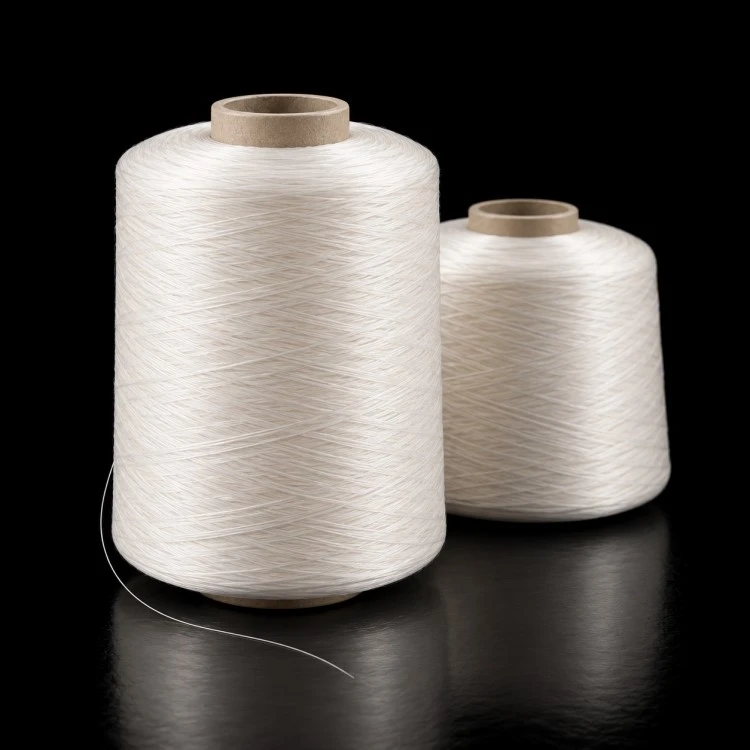
Specifications
|
Parameter |
Specification |
|
Material |
Regenerated Cellulose (Lyocell) |
|
Process |
NMMO solvent spinning, closed loop recovery; rate to be confirmed by production line/documentation |
|
Form |
Continuous filament, multifilament |
|
Linear Density |
40D / 70D / 120D / 150D |
|
Filament Count |
24F / 36F / 48F |
|
Dry Tenacity |
3.8–4.8 cN/dtex |
|
Wet Tenacity |
≥3.2 cN/dtex (≈85% of dry) |
|
Elongation |
12–18% |
|
Moisture Regain |
11–12% |
|
Cross-section |
Round, smooth |
|
Dye Class |
Reactive / Direct dyes |
|
Certification |
FSC chain-of-custody · OEKO-TEX Standard 100 |
|
Application |
Satin / Lining / Blouse / Scarf / Silk-blend fabric |
Process Flow
FSC-Certified Wood Pulp → NMMO Dissolution → Filtration → Dry-Jet Wet Spinning → Coagulation Bath → Washing → Solvent Recovery (≥99%) → Drawing & Drying → Winding → Grading & Packing
Services
✓ Fabric construction consulting for satin and charmeuse builds with lyocell filament.
✓ FSC chain-of-custody documentation package for every shipment.
✓ Fibrillation control recipes - enzyme polishing parameters for clean-surface fabrics.
✓ Sample yardage weaving support with reactive dye shade standards.
✓ Blended yarn development with silk or fine-denier polyester.

FAQ
Q1. How does lyocell filament differ from viscose filament?
A: The chemistry of regeneration is different. Viscose is made through xanthation with carbon disulfide and regenerates with an irregular, serrated cross-section; lyocell dissolves cellulose directly in NMMO and regenerates as smooth round filaments. The result is higher tenacity (dry and wet), lower fibrillation tendency in the dry state, and a genuinely closed-loop solvent system. Fabrics from lyocell filament also wash with less strength loss.
Q2. What does FSC certification cover for fsc lyocell filament?
A: FSC chain of custody covers the certified material flow within the applicable scope, with traceability documents linked to the relevant certified pulp. It does not automatically cover processing chemicals or compliance at your own mill; those remain subject to your own requirements and certification scope.
Q3. Can lyocell continuous filament replace silk one-for-one?
A: Lyocell can provide a silk-like drape and luster in many constructions, but it is not a one-for-one processing replacement. Wet-abrasion fibrillation requires appropriate finishing and enzyme control, and fabric weight and processing behavior may differ from mulberry silk. Trial development is recommended before substitution.
Q4. What dye classes work best?
A: Reactive dyes give the deepest, most reproducible shades on cellulose and are our standard recommendation. Direct dyes work for economy ranges. Disperse and acid dye classes are not applicable - the fiber is pure regenerated cellulose.
Hot Tags: lyocell filament yarn, China lyocell filament yarn manufacturers, suppliers, factory