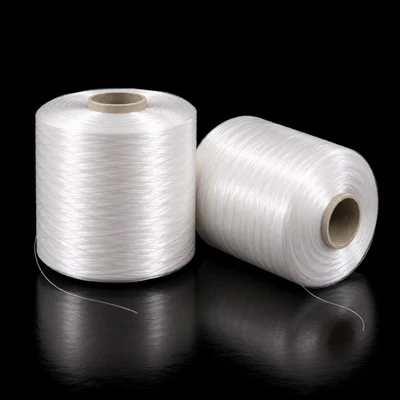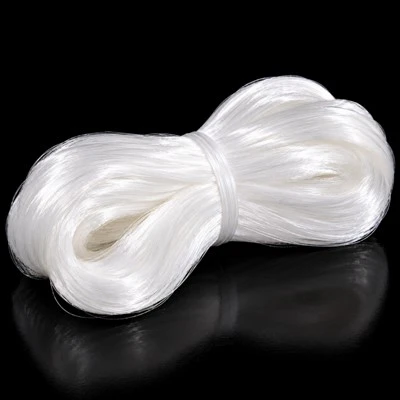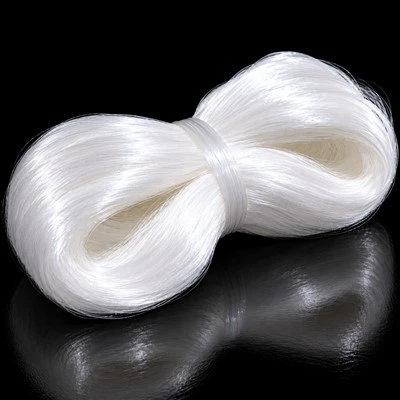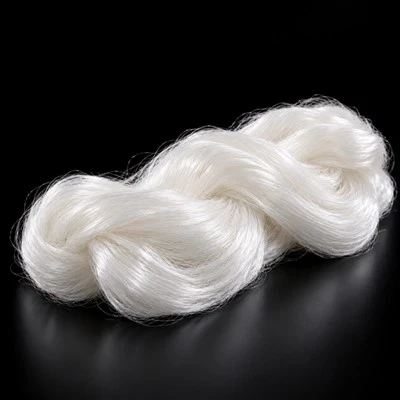
Suzhou Gongsheng Import & Export Co., Ltd. is one of the most reliable manufacturers and suppliers of acrylic filament tow in China, featured by quality products and low price. If you're going to wholesale advanced acrylic filament tow made in China, welcome to get pricelist and free sample from our factory. We also accept customized orders.
Opening
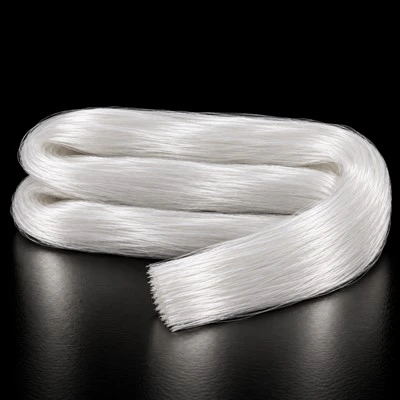
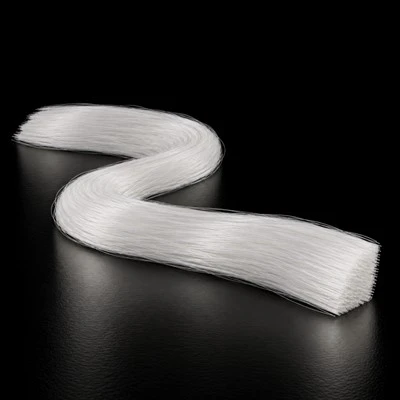
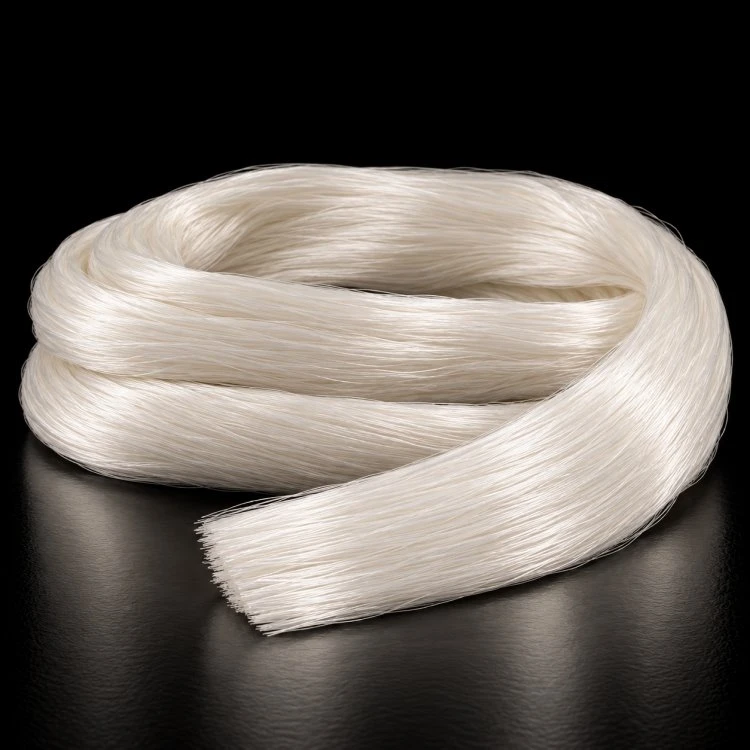
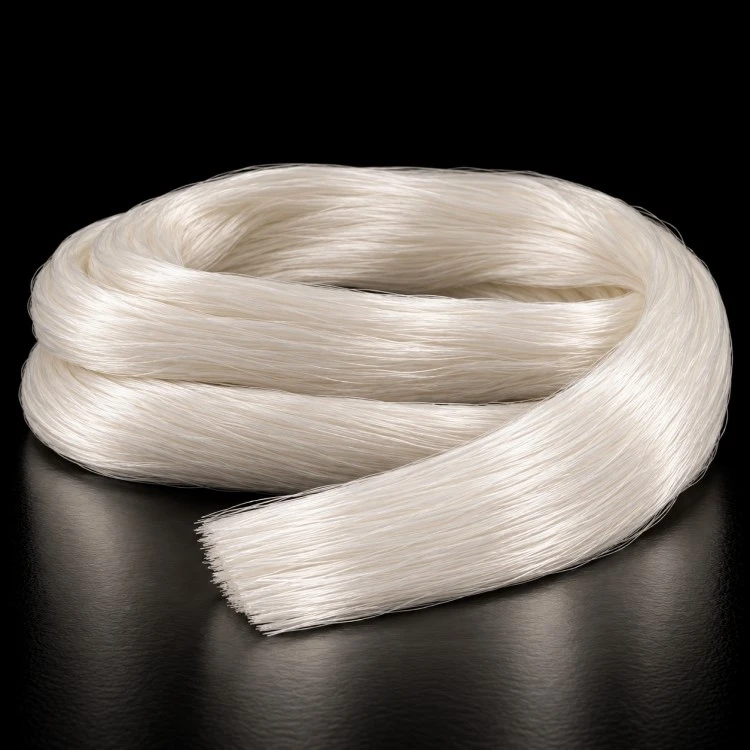
Acrylic filament tow is polyacrylonitrile (PAN) delivered as a continuous, uncut bundle of parallel filaments - an established feedstock format in the acrylic conversion chain. PAN is polymerized from acrylonitrile, dissolved in solvents such as DMSO, DMF or sodium thiocyanate solution, and wet (or dry) spun into filaments whose glass transition and dye-site chemistry contribute to acrylic's wool-like bulk. Converters cut tow into staple for spinning, stretch-and-relax it for high-bulk yarn production, or feed it directly into specialty processes.
Grade structure in this product follows the destination process. acrylic tow spinning grade is a major direction: it targets crimp response and dye uptake for cut staple used in knitting yarns, blankets and fleece. acrylic tow filtration grade targets tighter evenness and finish control for air and liquid filtration media. acrylic high tenacity tow uses higher orientation for selected industrial end uses. At the precursor end, dedicated PAN-based precursor tow with controlled comonomer content can feed stabilization and carbonization lines after customer qualification.
Features & Material
Acrylic's commercial appeal is often associated with a wool-like hand at a synthetic-fiber price position and useful light resistance for selected outdoor applications. For converters, acrylic fiber tow can provide predictable cut-length behavior when crimp and relaxation are controlled - crimp recovery contributes to high-bulk yarn loft, and cationic dyes are commonly used for saturated shades in blanket and fleece programs. Bulk potential should be treated as a specification: crimp frequency and relaxation-shrinkage values can be supplied by lot where applicable.
The specialty directions require tighter process control. acrylic tow filtration grade targets media applications where hydrophobic behavior, chemical resistance and electrostatic performance are relevant; actual temperature and filtration performance depend on grade and end-use design. acrylic high tenacity tow can reach 5.0–6.5 cN/dtex after stretch processing for selected rope, friction-material and industrial-fabric applications, subject to grade and test method. The precursor grade requires controlled comonomer ratio, filament denier uniformity and metal residuals, with supporting polymer data for qualification. Production note across all grades: acrylic is glass-transition sensitive, so storage should avoid excessive heat and compression.
Specifications
|
Parameter |
Specification |
|
Material |
Polyacrylonitrile (PAN) / PAN copolymer |
|
Form |
Continuous filament tow, uncut bundle |
|
Bundle Total Denier |
0.4M / 0.8M / 1.2M denier per bundle |
|
Filament Denier |
1.5D / 2D / 3D / 5D |
|
Tenacity |
Spinning 2.5–3.5 · HT grade 5.0–6.5 cN/dtex (after stretch) |
|
Elongation |
20–35% (spinning) · 12–18% (HT) |
|
Crimp |
Frequency & relaxation shrinkage certified per lot |
|
Luster |
Bright / Semi-dull / Dull |
|
Dye Class |
Cationic dyes · Gel-dyeing option for deep shades |
|
Solvent Route |
DMSO / DMF / NaSCN wet spinning |
|
Heat Resistance |
Stable to ≈150°C · softens above Tg range |
|
Packaging |
Tow cans / pressed bales, heat-protected storage |
|
Application |
Spinning & high-bulk yarn / Filtration media / Rope & friction materials / Carbon fiber precursor |
Process Flow
Acrylonitrile + Comonomer Feeding → Polymerization → Slurry Washing & Drying → Solvent Dissolution → Filtration & Deaeration → Wet / Dry Spinning → Coagulation & Washing → Multi-stage Drawing → Crimping & Relaxation Setting → Tow Coiling, Grading & Packing
Services
✓ Grade selection matrix: spinning / filtration / HT / precursor against your process.
✓ Crimp and relaxation-shrinkage certificate support for high-bulk yarn planning.
✓ Gel-dyeing shade development for deep-color blanket and fleece programs.
✓ Stretch-line parameter consulting for acrylic high tenacity tow.
✓ Carbon precursor trial lots with full polymer and residual data.

FAQ
Q1. Why is tow the standard form for acrylic?
A: Tow is a flexible upstream format because the converter can determine cut length and, where applicable, crimp activation downstream. One tow supply can therefore serve yarn mills, blanket makers and specialty lines, subject to the tow specification. Compared with pre-cut staple, tow can offer more downstream control over conversion parameters.
Q2. What makes acrylic tow filtration grade different?
A: Media applications stress evenness, finish purity and stable electrostatic behavior rather than bulk and hand. The grade runs tighter evenness, controlled residuals, and is certified for filtration end use - the differences show up as consistent pressure drop across the finished media, not as any single headline number.
Q3. Can acrylic tow really feed carbon fiber production?
A: Yes - PAN-based precursor tow is a major commercial route for carbon fiber. The precursor grade is a specialized material: comonomer ratio, denier uniformity and metal residuals are controlled for stabilization and carbonization, and trial lots can be supplied with polymer data so carbon lines can qualify the tow against their furnace recipes.
Q4. How should acrylic tow be stored?
A: Store in cool, dry conditions and away from excessive heat and compression. Acrylic is glass-transition sensitive, so unsuitable storage can affect bundle deformation, crimp and subsequent bulk. Packaging and storage should follow the supplier's recommended conditions.
Hot Tags: acrylic filament tow, China acrylic filament tow manufacturers, suppliers, factory