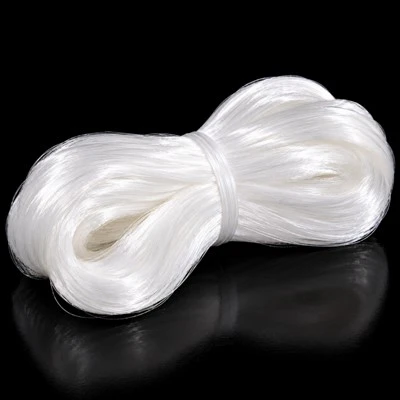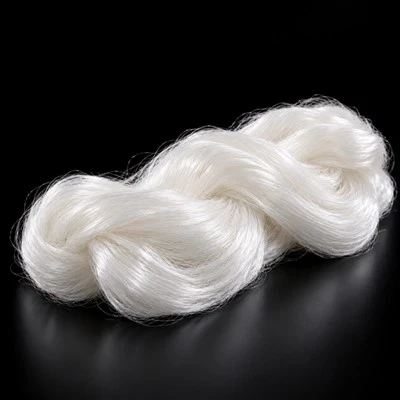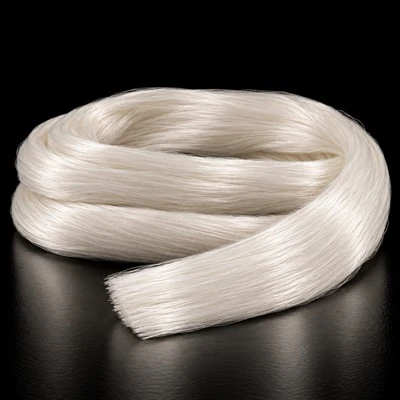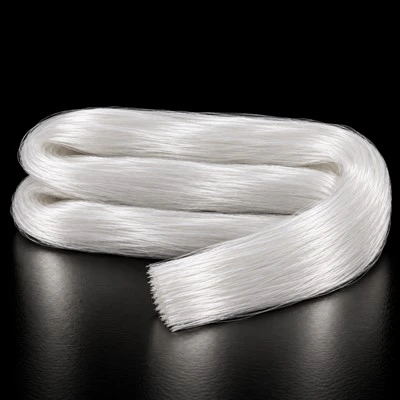
Suzhou Gongsheng Import & Export Co., Ltd. is one of the most reliable manufacturers and suppliers of viscose filament tow in China, featured by quality products and low price. If you're going to wholesale advanced viscose filament tow made in China, welcome to get pricelist and free sample from our factory. We also accept customized orders.
Opening
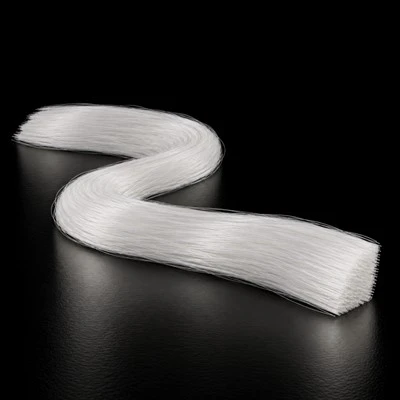
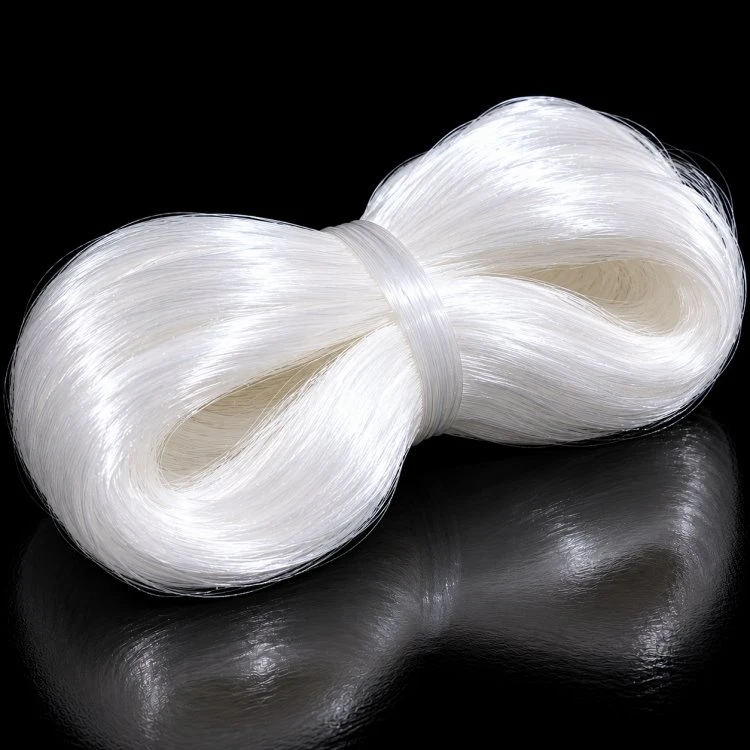
Viscose filament tow is regenerated cellulose delivered as a continuous, uncut band of parallel filaments - the preferred feed format for converters whose downstream process sets the cut length, or whose process consumes tow directly. Cellulose xanthate dope is wet spun into a regeneration bath, filaments are drawn, washed, desulfurized and combined into tow of controlled total denier. The fiber keeps viscose's signature properties: 13% moisture regain, dye affinity for reactive and direct dyes, and a cellulose surface that bonds naturally with resins and matrices.
Two technical grades define the value of this product. high wet modulus tow (HWM, modal-family chemistry) is regenerated under conditions that preserve higher chain orientation, typically showing higher wet tenacity than standard viscose, with the actual ratio depending on grade and test method - the grade converters choose when the cut fiber will see wet processing. rayon tow for carbon is the highest-purity direction: controlled ash and metal content make it a recognized precursor for carbon fiber and activated carbon fiber lines, where every ppm of residual sodium or iron shows up as a defect in the final carbon.
Features & Material
The processing logic of viscose fiber tow differs from synthetic tow in one decisive way: the cut fiber is often destined for wet-end chemistry rather than melt processing. That makes ionic purity and wet strength the two properties buyers should specify hardest. Our viscose tow nonwoven grade controls ash below defined limits and carries wet tenacity data on every lot certificate, because spunlaced and wet-laid nonwoven lines run the fiber wet and excessive wet-strength loss can contribute to web breaks at production speed.
The carbon precursor direction is where this product earns its premium. rayon tow for carbon is spun, washed and dried under metal-controlled conditions: sodium, iron and calcium residuals are tracked lot by lot, and the tow's fine filament denier plus cellulose chemistry can support the carbonization reactivity required in activated carbon fiber production. As a binder fiber, viscose tow also plays a supporting role in specialty nonwovens - it dissolves or carbonizes in situ where a sacrificial component is needed. Applications span spunlace wipes, wet-laid filtration media, carbon fiber precursor, activated carbon fabric, and cigarette-adjacent cellulose products. Production note: viscose tow must be processed with wet tension kept low; the fiber's wet tenacity is real but finite, and rolls run best with generous guide radii.

Specifications
|
Parameter |
Specification |
|
Material |
Regenerated Cellulose (Viscose / HWM) |
|
Form |
Continuous filament tow, uncut bundle |
|
Bundle Total Denier |
0.4M / 0.8M / 1.2M denier per bundle |
|
Filament Denier |
1.0D / 1.5D / 2.0D / 3D |
|
Dry Tenacity |
Standard 1.8–2.2 · HWM 2.6–3.4 cN/dtex |
|
Wet Tenacity |
Standard 1.8–2.2 · HWM 2.6–3.4 cN/dtex (grade/test-method dependent) |
|
Ash Content |
≤0.15% (nonwoven grade; subject to specification) · carbon precursor grade on spec |
|
Metal Residuals |
Na / Fe / Ca tracked lot-by-lot (carbon grade) |
|
Moisture Regain |
12.5–14% |
|
Luster |
Bright / Semi-dull / Dull |
|
Dye Class |
Reactive / Direct dyes |
|
Packaging |
Sealed tow cans or bales, moisture-protected |
|
Application |
Spunlace / Wet-laid media / Carbon precursor / Activated carbon / Specialty nonwovens |
Process Flow
Wood Pulp Feeding → Alkali Steeping → Xanthation (CS2) → Dissolution & Ripening → Filtration & Deaeration → Wet Spinning → Regeneration & Drawing → Washing & Desulfurizing → Metal-Controlled Final Wash → Drying & Tow Can Coiling
Services
✓ HWM vs standard grade selection against your wet-end process.
✓ Metal residual data sheet per carbon precursor lot.
✓ Spunlace parameter consulting - jet pressure and web speed windows.
✓ Wet-laid formulation support with dispersion chemistry.
✓ Tow-to-staple conversion trials on your cutting line.

FAQ
Q1. What is high wet modulus tow, and when is it worth the premium?
A: HWM tow is viscose regenerated with higher chain orientation, showing higher wet tenacity than standard viscose, with the actual ratio depending on grade and test method. It earns the premium whenever the cut fiber faces wet processing - spunlace lines, wet-laid media, or wet finishing of the final fabric - where standard viscose strength can collapse and cause web breaks or processing losses.
Q2. Why is viscose tow suitable as a carbon fiber precursor?
A: Cellulose carbonizes without melting, which makes it one of the classic precursor chemistries for carbon fiber and activated carbon fiber. Fine filament denier gives high surface area and reactivity; our carbon grade controls sodium, iron and calcium residuals lot by lot, because metal residues can affect the quality and consistency of the carbonized product.
Q3. Can viscose tow nonwoven grade run on spunlace lines?
A: Yes - the grade is designed for spunlace applications, subject to line trials and process conditions. The specification targets ash content and wet strength so the web survives jet impact at production speed. Dispersion behavior in wet-laid systems is equally controlled, and we supply lot certificates with the wet tenacity data your process team needs to set jet pressure.
Q4. How does viscose tow differ from polyester tow in processing?
A: Wet behavior. Polyester tow processes dry and melts under heat; viscose tow is dimensionally stable in heat but loses roughly half its tenacity when wet, so guide radii, tension and drying profiles must be engineered around the wet state. In exchange you get cellulose chemistry, including resin bonding and dye affinity; biodegradability and end-of-life performance depend on the complete product system.
Hot Tags: viscose filament tow, China viscose filament tow manufacturers, suppliers, factory