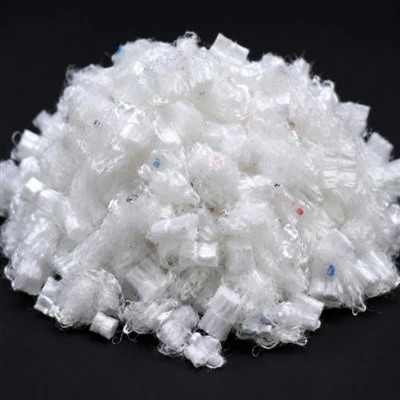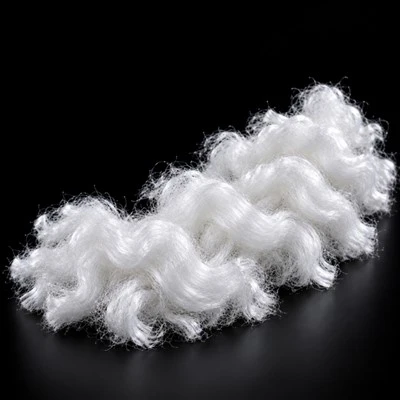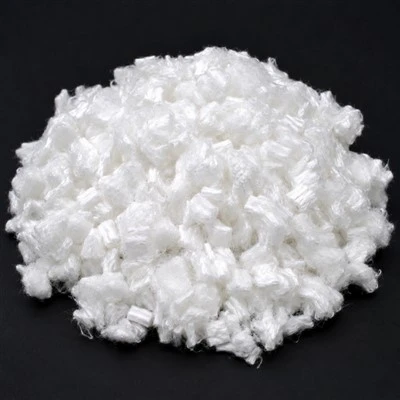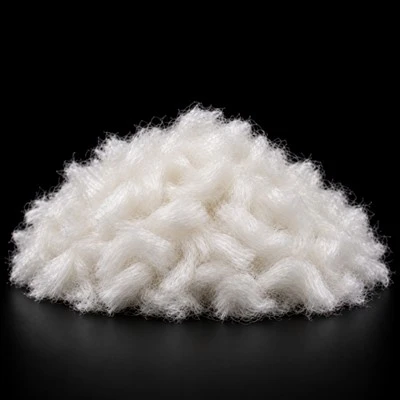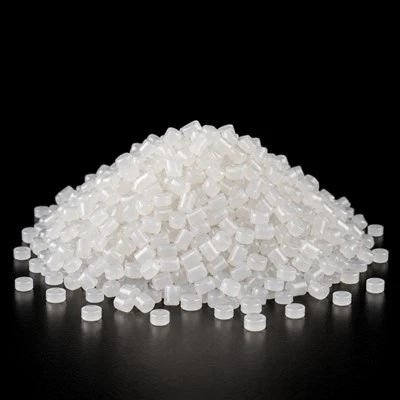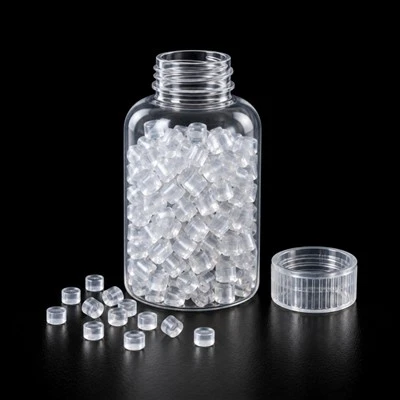
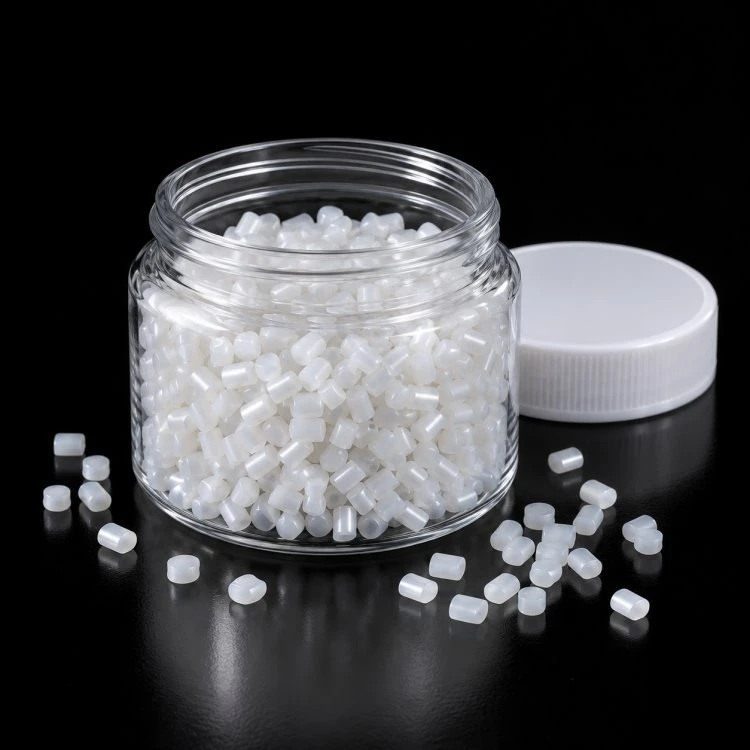
Suzhou Gongsheng Import & Export Co., Ltd. is one of the most reliable manufacturers and suppliers of modified polyester chip in China, featured by quality products and low price. If you're going to wholesale advanced modified polyester chip made in China, welcome to get pricelist and free sample from our factory. We also accept customized orders.
Opening
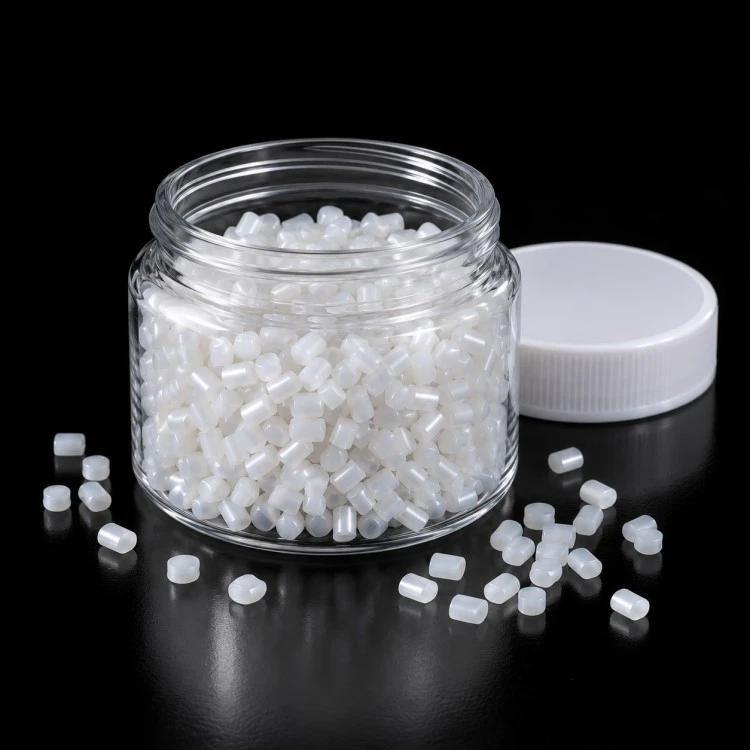
Modified polyester chip is PET whose composition is adjusted with suitable comonomers, additives or nucleating agents so its spinning, dyeing or melting behavior differs from standard PET. Depending on the grade, the modification is incorporated into the polymer or formulation rather than applied as a surface coating. It is used for applications such as cationic dyeing, low-temperature bonding and easier dyeing, with equipment compatibility confirmed by grade and process trials.
The three commercial directions define the line. cationic polyester chip (CDP, with SIPM comonomer) opens anionic dye sites on the polymer, allowing cationic dyes to produce deep shades under suitable dyeing conditions - the chemistry behind cationic-dyeable fabrics and the black-contrast effects designers use in stripe and jacquard work. low melting point polyester chip is available in grades with melting points substantially below standard PET, serving as binder fiber feed and fusible-component feed for nonwovens and composites. easy dyeable polyester chip (EDP) lowers dyeing temperature and pressure so polyester blends dye like their cotton partners, cutting energy cost in the dye house.
Features & Material
CDP is the volume direction and the chemistry is worth understanding when you buy. SIPM comonomer introduces sulfonate groups that act as anionic dye sites: cationic dyes bind ionically, giving saturation and brilliance disperse dyes on standard PET cannot reach, at 98–100°C and atmospheric pressure. cdp chip spins on standard PET lines with modest process adjustment - the melt temperature window narrows slightly, and our lot certificates carry the SIPM content and spin recommendations. The classic commercial use is two-tone and black-contrast fabrics: interweaving standard PET yarn with cdp chip-derived yarn, then dyeing once, produces permanent two-color effects without printing.
The other two directions solve different problems. low melting point polyester chip exists as a family - 110°C, 150°C, 180°C sheath-melt builds - feeding binder fiber spinning where the melted sheath welds fibers at low temperature while the core carries strength. easy dyeable polyester chip attacks the dye house cost line: dyeing standard polyester needs 130°C under pressure, and some EDP grades can operate at lower dyeing temperatures or under carrier-free atmospheric conditions, with potential reductions in steam and electricity consumption and widens the shade library on cotton-blend programs. Buyers often ask whether a modified pet chip will run on existing equipment - compatibility depends on the build and process, so trial data should be reviewed before bulk conversion.
Specifications
|
Parameter |
Specification |
|
Material |
Modified PET (comonomer / additive engineered) |
|
Types |
CDP (cationic, SIPM) · Low melt (110/150/180°C) · EDP (easy dyeable) |
|
Intrinsic Viscosity |
0.55–0.68 dL/g (type dependent) |
|
SIPM Content |
1.5–3.0 mol% (cdp chip, certified per lot) |
|
Melting Point |
Standard CDP ≈250°C · Low melt 110–180°C (sheath) · EDP ≈252°C |
|
Dye Class |
Cationic dyes (CDP) · Disperse at low temp (EDP) |
|
Dyeing Condition |
98–100°C atmospheric (CDP) · 110–120°C (EDP) |
|
Moisture (as delivered) |
≤0.004% in barrier packaging |
|
Luster |
Bright / Semi-dull / Dull |
|
Certification |
OEKO-TEX · GRS version available |
|
Packaging |
25 kg moisture-barrier bags · big bags with liner |
|
Application |
Cationic-dyeable yarn / Binder fiber / Two-tone fabric / Low-temp dyeing programs |
Process Flow
PTA + MEG + Comonomer (SIPM) Feeding → Esterification → Pre-polycondensation → Final Polycondensation → Melt Filtration → Extrusion & Pelletizing → Crystallization & Drying → Type Blending & Sieving → Lot Testing (IV / SIPM / MP) → Packing
Services
✓ Type selection matrix: CDP / low melt / EDP against your fabric and dye program.
✓ SIPM content and spin-window certificates with every cdp chip lot.
✓ Two-tone fabric development support - standard + cationic yarn interweave recipes.
✓ Low melt melting-point certificates per lot for binder fiber spinning.
✓ Sample chips for spinning trials before bulk conversion.

FAQ
Q1. What is cationic polyester chip and why does it dye differently?
A: CDP is PET polymerized with SIPM comonomer, which places sulfonate (anionic) groups along the chain. Cationic dyes bind ionically to those sites, so the fiber dyes brilliantly at atmospheric pressure - saturation that standard PET needs 130°C and carrier chemistry to approach. It is a molecular modification, permanent through spinning, weaving and washing.
Q2. How is low melting point polyester chip used?
A: It feeds binder fiber spinning. The chip is spun as a sheath-core filament where the sheath melts 30–80°C below standard PET: in thermobonded nonwovens the melted sheath welds neighboring fibers while the core keeps fabric strength. Different end uses pick different melt points - 110°C for sensitive substrates, 150–180°C for general thermobonding.
Q3. Can cdp chip run on our existing PET spinning line?
A: Often possible with suitable process adjustment, but the melt-temperature window and die-pressure behavior depend on the specific grade; we supply SIPM content and spin recommendations with every lot. Spinning trials before bulk switching are standard practice, and we support them with sample quantities.
Q4. What does easy dyeable polyester chip save in the dye house?
A: Temperature and pressure. Standard polyester dyes at 130°C under pressure; EDP grades dye at 110–120°C or carrier-free at atmospheric pressure. That cuts steam and electricity per batch, shortens cycle time, and lets cotton-polyester blends dye in closer process windows - the savings scale with your batch volume.
Hot Tags: modified polyester chip, China modified polyester chip manufacturers, suppliers, factory