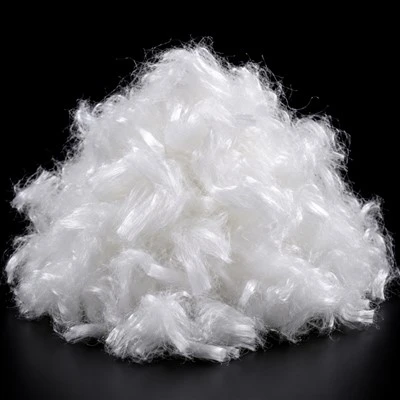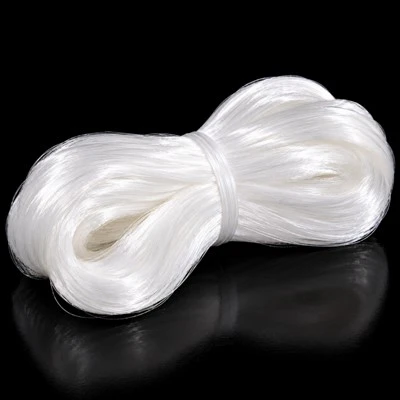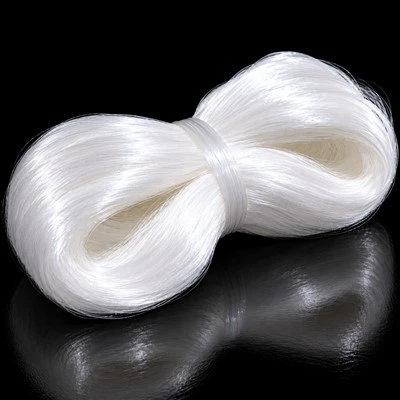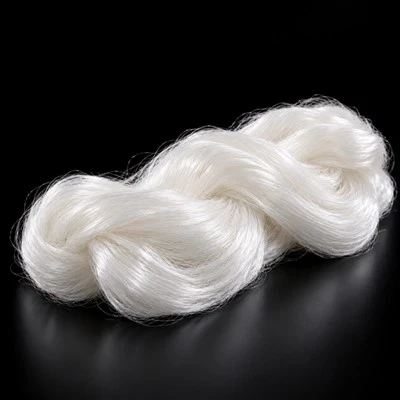
Suzhou Gongsheng Import & Export Co., Ltd. is one of the most reliable manufacturers and suppliers of polypropylene filament tow in China, featured by quality products and low price. If you're going to wholesale advanced polypropylene filament tow made in China, welcome to get pricelist and free sample from our factory. We also accept customized orders.
↵
Opening
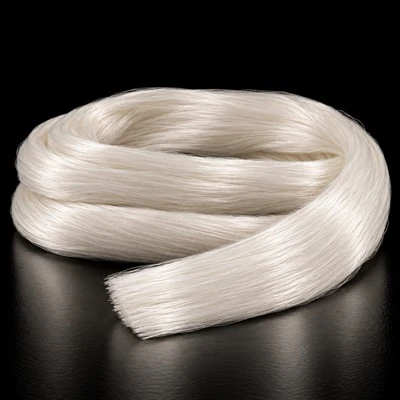
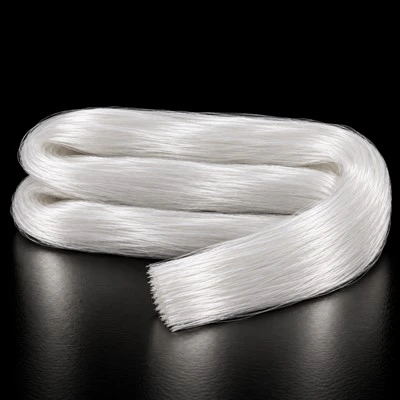
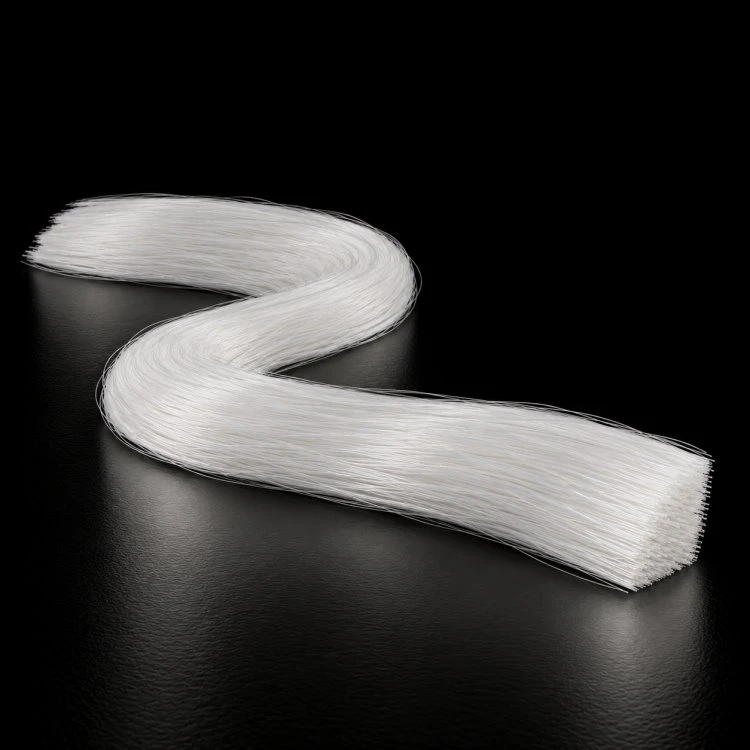
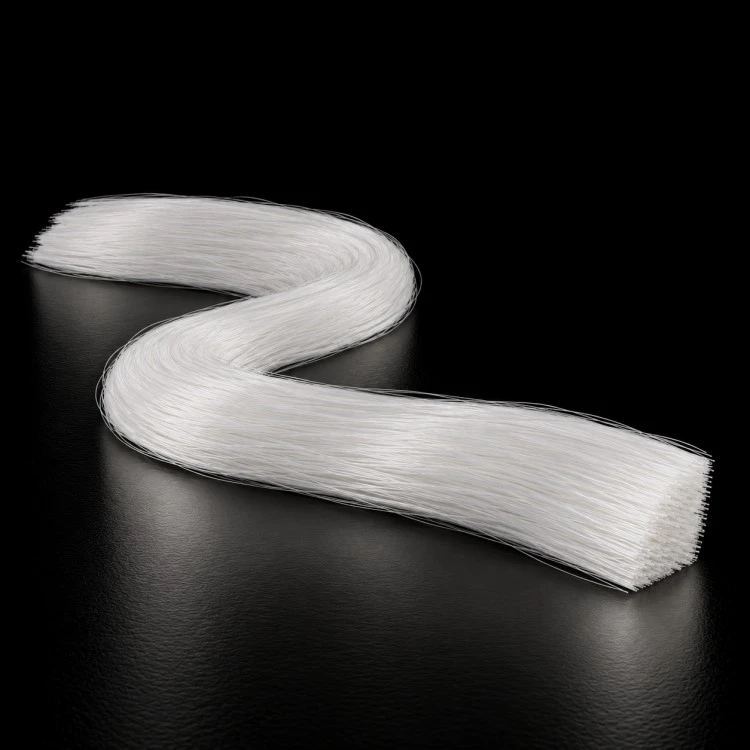
Polypropylene filament tow is isotactic PP melt spun into a continuous, uncut bundle of parallel filaments. Its low density, typically around 0.91 g/cm³, gives PP tow a very low weight-to-volume profile and allows it to float in water. Polypropylene has very low moisture uptake and limited conventional dye affinity, so color is commonly introduced at the polymer or masterbatch stage. Its chemical resistance makes PP useful in applications exposed to selected acids, alkalis or biological environments.
The product's value is concentrated in infrastructure and industrial fabric. pp for geotextile - woven and nonwoven geotextiles and related constructions - uses PP's low moisture uptake and chemical resistance, with polymer selection important for long-term creep performance. pp for nonwoven covers selected spunbond, needle-punch and related lines; low moisture uptake can simplify handling and reduce moisture-related process concerns. polypropylene high tenacity tow can be supplied in the 6.0–7.0 cN/dtex range for applicable grades used in rope, netting, safety webbing and marine applications.
Features & Material
PP tow's engineering profile is defined by its low moisture uptake, low density and chemical resistance. Moisture-related dimensional and strength changes are generally limited, which can be useful for marine rope, geotextile and filtration applications. PP offers resistance to many acids and alkalis, although solvent compatibility depends on the specific chemical and conditions. Its density of about 0.91 g/cm³ can provide lower weight at comparable coverage, which may be beneficial in large-area applications.
The honest limits deserve equal space. PP melts at a relatively low temperature (≈160–170°C), so hot-air bonding windows and end uses above about 100°C require grade-specific evaluation. UV exposure can degrade unstabilized PP, so outdoor and geotextile grades should use an appropriate stabilizer package where required. Since the fiber has limited conventional dye affinity, color is commonly planned at the masterbatch stage. High tenacity grades can be specified in the 6.0–7.0 cN/dtex range for applicable products, while creep performance depends on polymer design and test conditions. Production note: PP tow's low melting point makes cutting-line friction heat a consideration; suitable knives and line speed help protect filament integrity.
Specifications
|
Parameter |
Specification |
|
Material |
Isotactic Polypropylene (PP) |
|
Form |
Continuous filament tow, uncut bundle |
|
Bundle Total Denier |
0.4M / 0.8M / 1.2M denier per bundle |
|
Filament Denier |
2D / 3D / 5D / 6D / 10D |
|
Tenacity |
Standard 4.0–5.0 · High tenacity 6.0–7.0 cN/dtex |
|
Elongation |
18–35% (grade dependent) |
|
Density |
0.91 g/cm³ - lowest of commodity fibers |
|
Moisture Regain |
0% (inherently hydrophobic) |
|
Melting Point |
≈160–170°C |
|
Chemical Resistance |
Excellent - acids, alkalis, most solvents |
|
UV Stabilization |
Certified stabilizer package per lot (outdoor grades) |
|
Coloration |
Dope-dyed / masterbatch - no conventional dye uptake |
|
Application |
Geotextile / Nonwoven / Rope & netting / Marine fabric / Filtration |
Process Flow
PP Resin + Masterbatch Feeding → Extrusion & Melting → Melt Spinning (Large Bundle) → Quench & Oiling → Multi-stage Drawing → Crimping (Optional) → Relaxation & Setting → Tow Can Coiling → UV-Stabilizer Lot Certification → Grading & Packing
Services
✓ Polymer grade selection by service temperature and creep requirement (geotextile).
✓ Masterbatch color matching at chip stage with lot-consistency certification.
✓ UV stabilizer package documentation for outdoor and marine applications.
✓ High tenacity drawing-line parameter development for pp for geotextile.
✓ Nonwoven line trial support - spunbond, needle-punch and meltblown feed.

FAQ
Q1. Why choose pp for geotextile over polyester geotextile?
A: Three engineering considerations are PP's low moisture uptake, chemical resistance and low density. These can be useful in aggressive soil or wet environments, while long-term performance still depends on polymer grade, stabilization and installation conditions. Polyester may be preferred where higher temperature resistance or different long-term mechanical performance is required, so the choice should follow soil chemistry and load conditions.
Q2. How does polypropylene get its color if it cannot be dyed?
A: Usually at the polymer stage. Pigment masterbatch is compounded into the resin before spinning, so the filament is colored through its cross-section. Lot-to-lot shade consistency can be good when the masterbatch and process are controlled, but color decisions move upstream and changes normally require a new masterbatch formulation or run rather than piece dyeing.
Q3. What does polypropylene high tenacity tow add for rope and webbing?
A: Draw ratio and creep control. Applicable HT grades can be supplied in the 6.0–7.0 cN/dtex range, with polymer selection and processing aimed at controlling creep under sustained load. Long-term dimensional performance still depends on grade, construction and test conditions; HT does not mean that creep is eliminated.
Q4. Does PP tow work for nonwoven lines directly?
A: PP is used in nonwoven applications, but the feeding format depends on the line. Spunbond and meltblown processes normally use resin/direct-spun filament rather than conventional tow, while selected downstream systems may use tow-derived feed. Low moisture uptake can reduce moisture-related process concerns, but drying requirements and binder compatibility remain line-specific.
Hot Tags: polypropylene filament tow, China polypropylene filament tow manufacturers, suppliers, factory