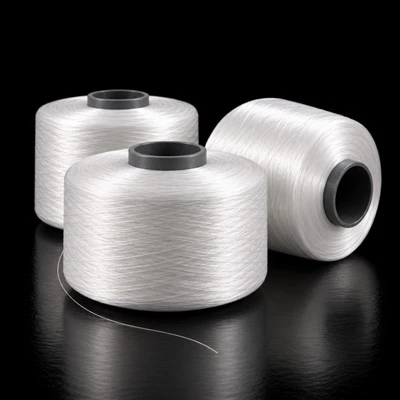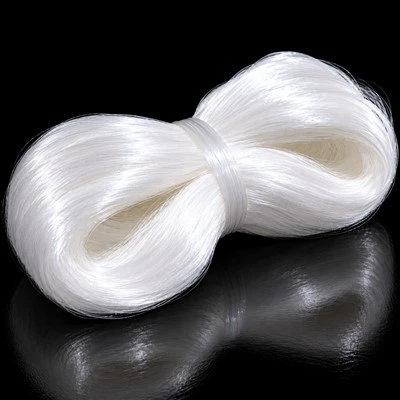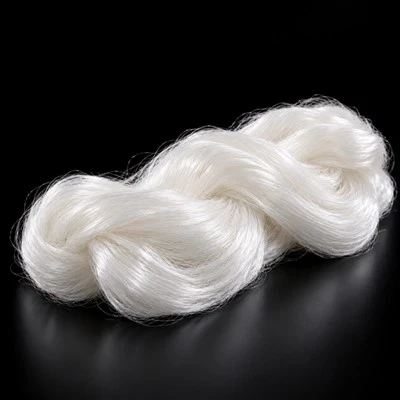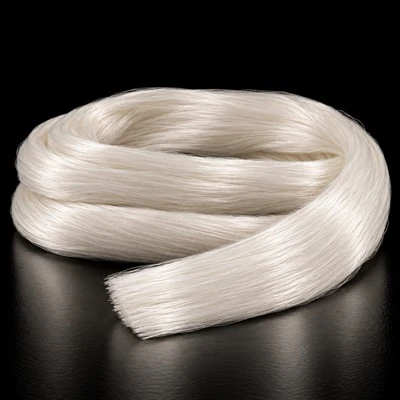
Suzhou Gongsheng Import & Export Co., Ltd. is one of the most reliable manufacturers and suppliers of polyester filament tow in China, featured by quality products and low price. If you're going to wholesale advanced polyester filament tow made in China, welcome to get pricelist and free sample from our factory. We also accept customized orders.
Opening
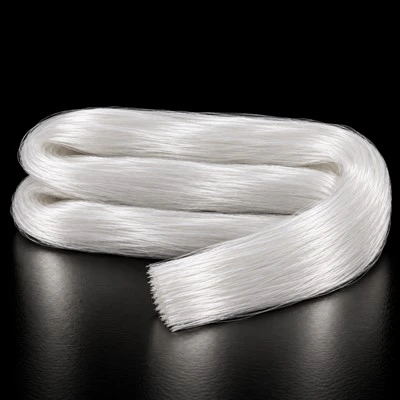
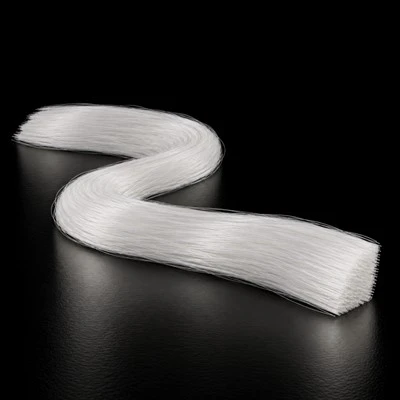
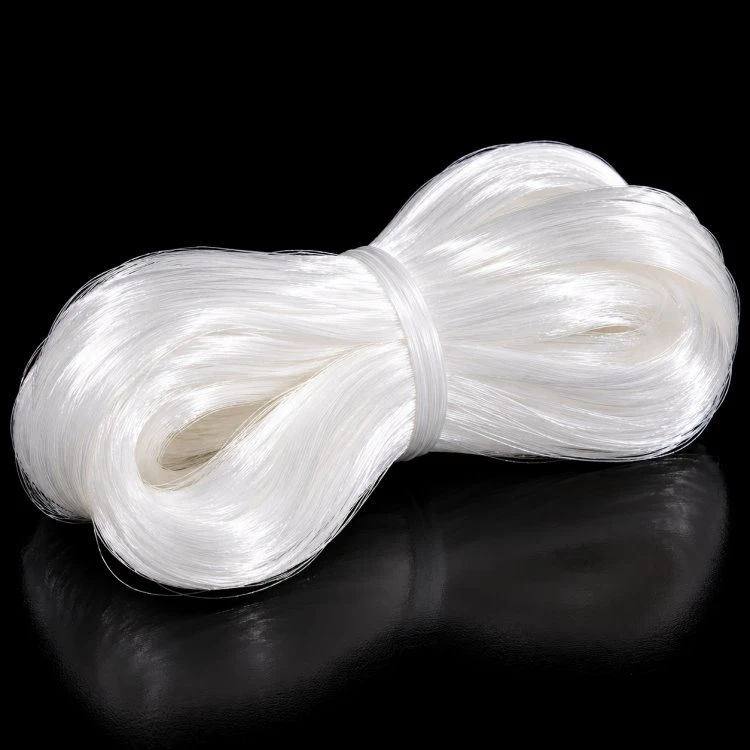
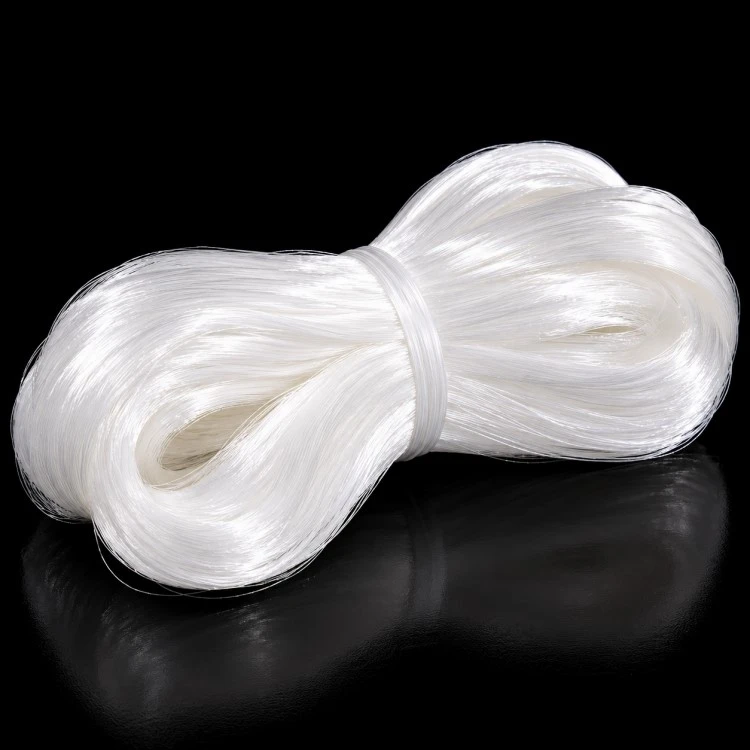
Polyester filament tow is polyester delivered as an uncut, continuous band of thousands of parallel filaments - the raw format that tow converters and staple-line operators cut, stretch, crimp or process downstream into their own product. Instead of the mill deciding the cut length, the customer controls it: a tow converter cutting staple, a nonwoven line feeding directly from tow bobbins, or a padding plant opening tow into filling, all work from the same continuous band. This is why polyester fiber tow is quoted by total denier per bundle and filament denier, not by staple cut length.
Our tow program serves three distinct processing routes. polyester tow for padding is opened directly into quilt and pillow filling - the continuous filament format can provide durability and migration-control benefits in suitable padding constructions. high tenacity polyester tow feeds stretching and yarn-making lines for rope, webbing and sewing thread. low melt tow, a sheath-core copolymer fiber, acts as binder fiber in thermobonded nonwovens: it melts at 110–180°C and welds the surrounding fibers together, replacing chemical binders entirely.
Features & Material
Tow is the most economical format for downstream converters because nothing is wasted on mill-side cut selection: the customer's knife sets the staple length, so one tow grade feeds a 38mm cotton-system line and a 100mm wool-system line alike. Bundle integrity matters more than anything else at delivery - filament breaks inside the bundle become neps in the customer's cut staple or weak spots in opened padding, so our winding and baling standards aim to keep broken-filament counts low and every tow can is shrink-wrapped against transport abrasion.
Grade engineering follows the application. high tenacity polyester tow runs 6.0–7.5 cN/dtex after customer stretching, targeting rope, webbing and sewing-thread lines that stretch and twist tow into yarn. polyester tow for padding uses larger filament denier (6D–15D) with high resilience siliconized finish so opened filling stays lofty and wash-stable. low melt tow is supplied with a melting-point certificate for every lot - the sheath is designed to melt within the stated window while the core remains functional, which is the functional definition of a working binder fiber. Note for converters: store tow in dry, shaded conditions; surface finish oxidation over long exposure raises friction and hurts runability.
Specifications
|
Parameter |
Specification |
|
Material |
Polyethylene Terephthalate (PET) / PET copolyester (low melt) |
|
Form |
Continuous filament tow, uncut bundle |
|
Bundle Total Denier |
0.5M / 1.0M / 1.5M / 2.0M denier per bundle |
|
Filament Denier |
1.5D / 3D / 6D / 9D / 15D |
|
Tenacity |
Standard 4.5–5.5 · High tenacity 6.0–7.5 cN/dtex (after draw; grade/test-method dependent) |
|
Low Melt Type |
Sheath-core; sheath melt 110°C / 150°C / 180°C options (type dependent) |
|
Elongation |
25–45% (grade dependent) |
|
Finish |
Siliconized (padding) / Non-silicon (spinning) / Low-melt dispersant |
|
Packaging |
Shrink-wrapped tow cans, 200–400 kg/bale |
|
Boiling Shrinkage |
Typically ≤4% (standard) · ≤2% (HT grade; grade/test-method dependent) |
|
Luster |
Bright / Semi-dull |
|
Application |
Padding / Staple conversion / Nonwoven binder / Rope & webbing / Sewing thread |
Process Flow
PTA + MEG Feeding → Esterification & Polycondensation → Melt Spinning (Large Bundle) → Quench & Oiling → Drawing (Multi-stage) → Crimping (Optional) → Relaxation & Heat Setting → Tow Can Coiling → Shrink Wrapping & Baling → Lot Testing
Services
✓ Cut-length conversion consulting - one tow grade across cotton and wool system lines.
✓ Melting-point certificate for every low melt tow lot.
✓ Silicone finish selection matched to your opening line and padding process.
✓ High tenacity stretching-line parameter development (draw ratio, temperature).
✓ Tow can vs bale packaging options to fit your feeding system.

FAQ
Q1. Why buy tow instead of cut staple?
A: Control and economics. The converter sets cut length, so one tow supply feeds multiple staple lengths without mill minimums per length. Conversion yield is higher because the customer's own cutting and opening equipment defines quality. For padding and direct nonwoven feeding, tow skips cutting entirely - continuous filaments may provide durability benefits over cut staple in suitable final products.
Q2. What does low melt tow do in nonwovens?
A: It acts as the binder fiber: the sheath melts at the stated temperature and welds adjacent fibers into a bonded web, then the core remains to carry strength. Thermobonded fabrics using low melt tow can reduce or avoid additional chemical binders in suitable constructions; processing cleanliness, wash performance and recyclability depend on the full fabric system.
Q3. How is high tenacity polyester tow different from standard tow?
A: Molecular orientation. HT tow is spun and drawn to a higher orientation state, reaching 6.0–7.5 cN/dtex after customer stretching, depending on grade and test method, with elongation and shrinkage also grade-dependent. It feeds rope, webbing and sewing-thread lines; standard tow targets staple conversion and padding where bulk, not peak tenacity, is the goal.
Q4. How should tow be stored before processing?
A: Dry, shaded and sealed. The spin finish on tow is functional - oxidation or moisture pickup over long unsealed storage raises fiber-to-metal friction and causes fluff and breaks on opening lines. Shrink-wrapped tow cans can support extended storage under suitable conditions; opened cans should be processed according to the supplier's storage and handling guidance.
Hot Tags: polyester filament tow, China polyester filament tow manufacturers, suppliers, factory